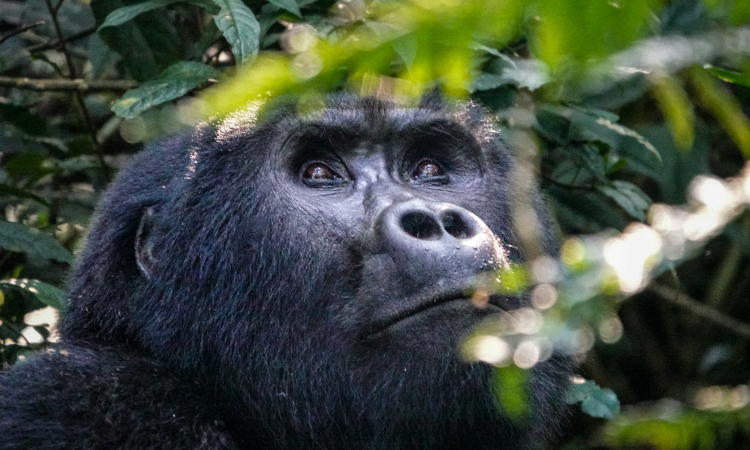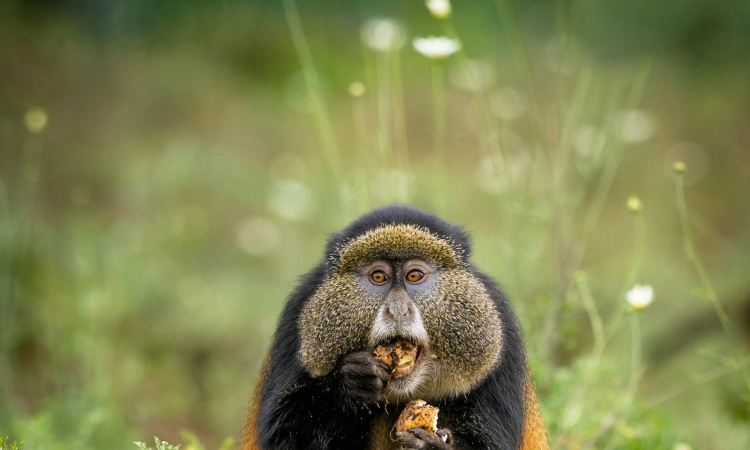
While the endangered mountain gorillas and golden monkeys often capture most of the attention in Mgahinga National Park, there are also other fascinating creatures living beneath the forest canopy — the snakes.
Snakes are among the most feared animals in the wild, yet they play an important role in the ecosystem. They help control populations of other animals as both predators and prey.
The snakes found in Mgahinga National Park are species that can survive in cooler temperatures since the park lies at a high altitude. The forest is home to both venomous and non-venomous snakes.
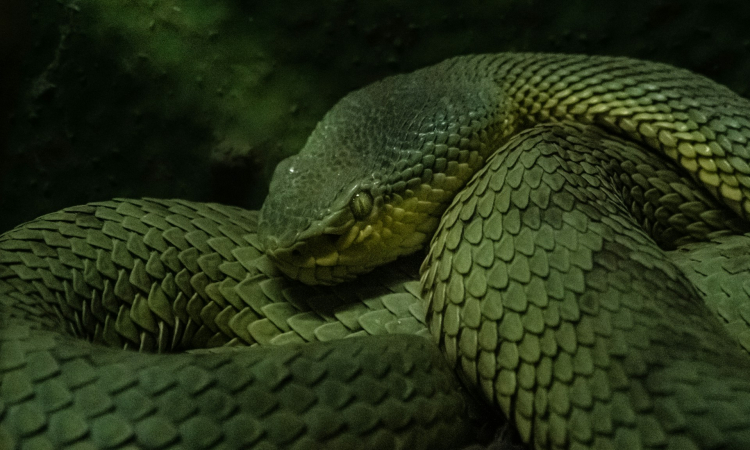
One of the most common snakes in the forest is the rhinoceros viper. It is known for its excellent camouflage, which makes it difficult to spot among fallen leaves and on the forest floor. The snake gets its name from the three horn-like scales on its snout. It is slow-moving but highly venomous.
Another species found in Mgahinga is the forest vine snake, which lives mainly in bamboo forests. It has a long, narrow head and a greenish-brown body that blends well with the branches. This snake is also venomous and uses its venom to catch and kill its prey.
The olive grass snake is another species seen around the forest edges and clearings. It is a fast-moving snake with a slender body that allows it to chase prey easily. It is also venomous.
Snakes in Mgahinga are carnivores that feed on small mammals, birds, fish, amphibians like frogs and toads, and sometimes eggs. Their diet depends on their size — larger snakes eat bigger animals, while smaller ones feed on smaller prey.
When visiting Mgahinga Forest, it is important to take precautions to avoid snake bites. Always watch your step, wear proper shoes, stay on designated trails, and use a flashlight at night since some snakes are more active during warm evenings. If you plan to go deep into the forest, always go with a guide.
Snake bites in Mgahinga are very rare and usually happen accidentally, such as when someone steps on a snake.
Protecting Mgahinga also means protecting the snakes that live there, as they are an essential part of the forest ecosystem.