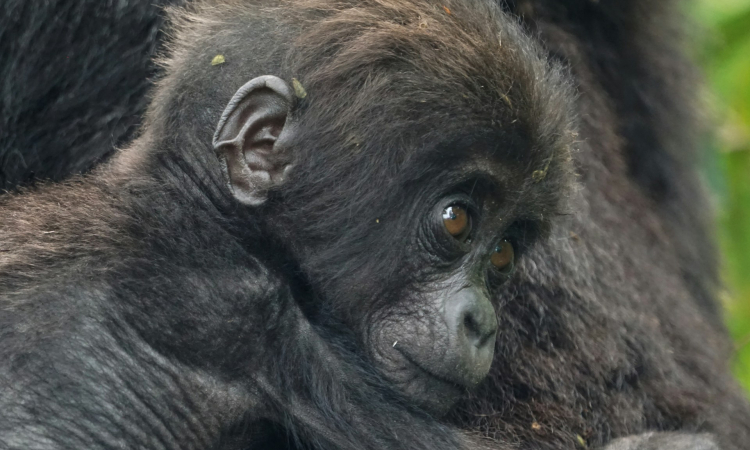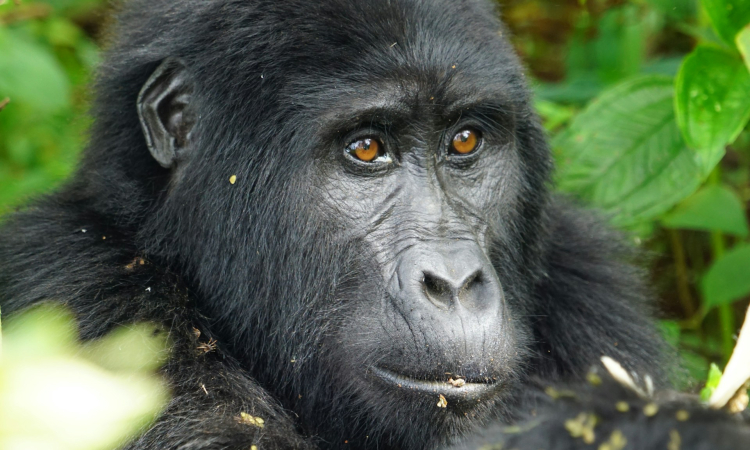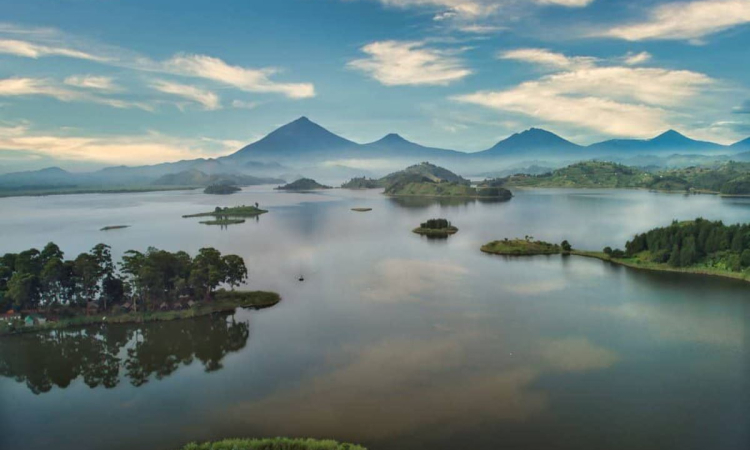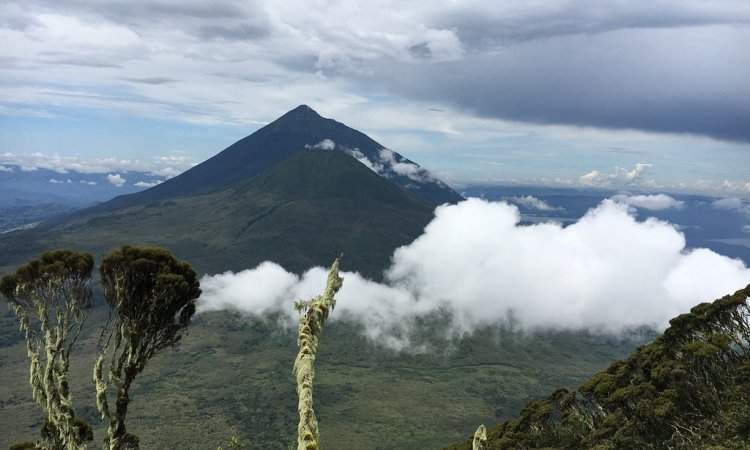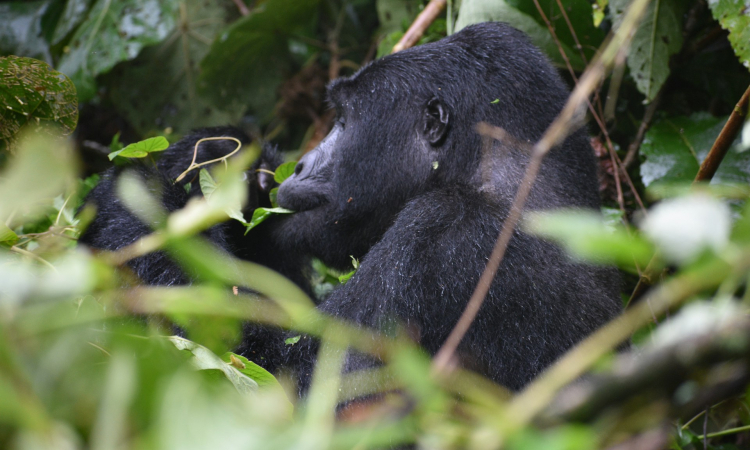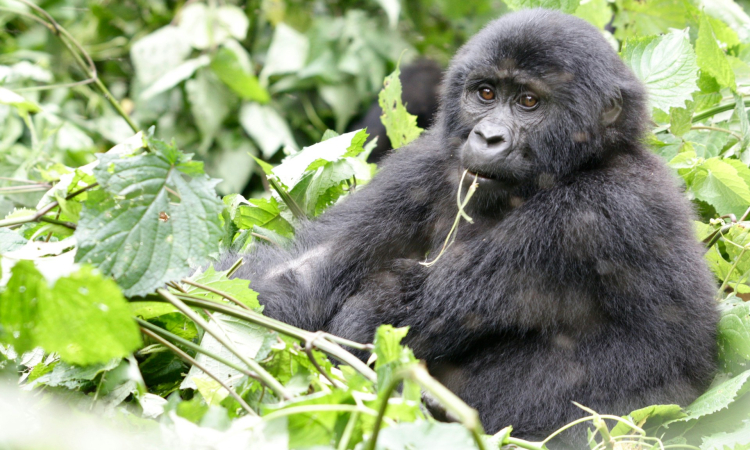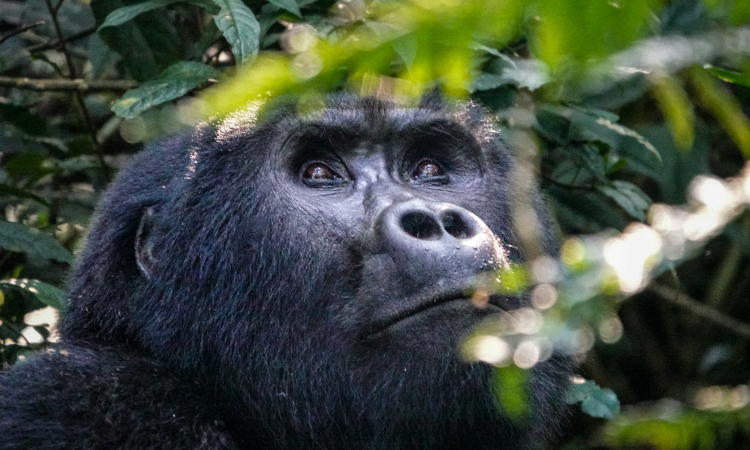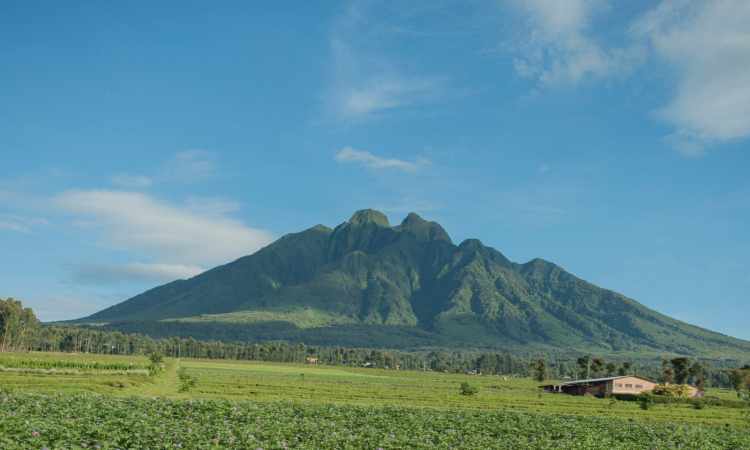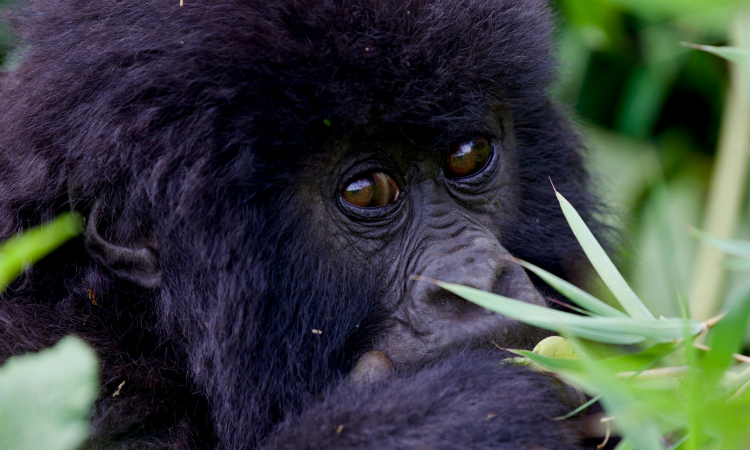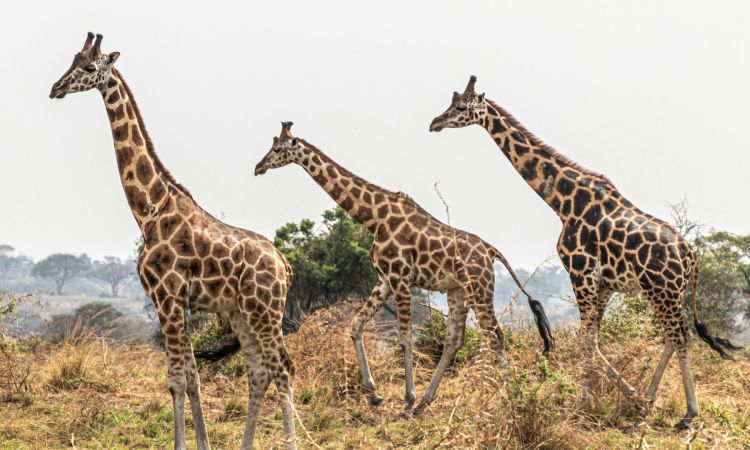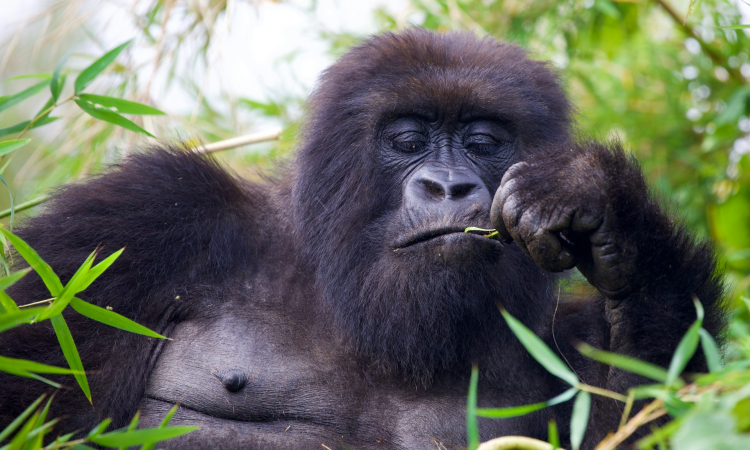
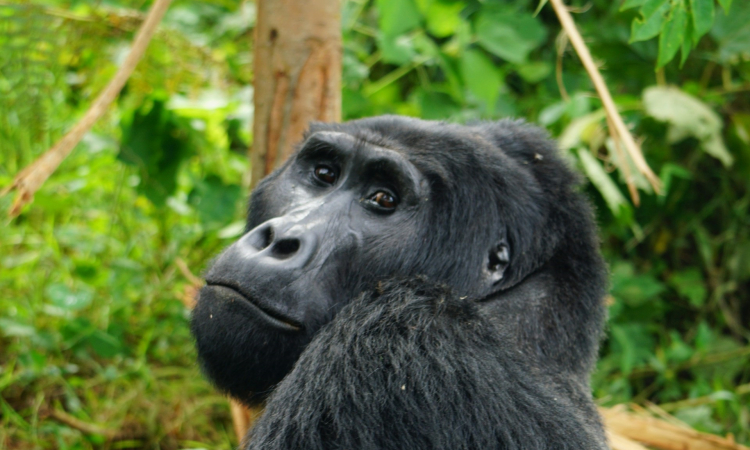
Mgahinga, home to the endangered mountain gorillas, is open to visitors all year round. The park lies in a tropical rain-forest, which means the weather can change at any time.
For the best experience, tourists are encouraged to visit during the dry season, which runs from June to September and December to February. During these months, there is little rainfall, making the trails drier and easier to hike, even on steep slopes. The vegetation is also shorter, offering clearer views of the park’s wildlife. However, since Mgahinga is a tropical rain-forest, it can still rain unexpectedly even in the dry season.
Although the dry season is the most popular time to visit, it also comes with a few challenges. It is the peak season, which means larger crowds and fewer chances for private gorilla encounters. Gorilla trekking permits also sell out quickly, so booking early is highly recommended.
Visitors can also travel during the wet season, which runs from April to May and October to November. While this period is less preferred because trails become muddy and slippery, it still has its own charm. The park looks greener and more beautiful, providing great opportunities for photographers. However, heavy mist can make it harder to spot wildlife from a distance.
For bird watchers, the rainy season is the perfect time to see migratory species, including the brown-chested lapwing and other unique birds of the Albertine Rift.
When preparing for a trip to Mgahinga, it is important to pack wisely. Essential items include a rainproof jacket, waterproof hiking boots, long trousers, a long-sleeved shirt, a sweater, a hat, sunscreen, insect repellent, and other personal necessities.
Mgahinga National Park can be visited at any time of the year. The best time to go depends on what kind of experience a traveler is looking for, whether it is easier hiking during the dry season or beautiful photography moments during the rainy season.