Mountain gorilla adaptations that help them survive – Mountain gorillas are the most endangered gorilla species in the wild. These gentle giants have a population of about 1,063 individuals today.
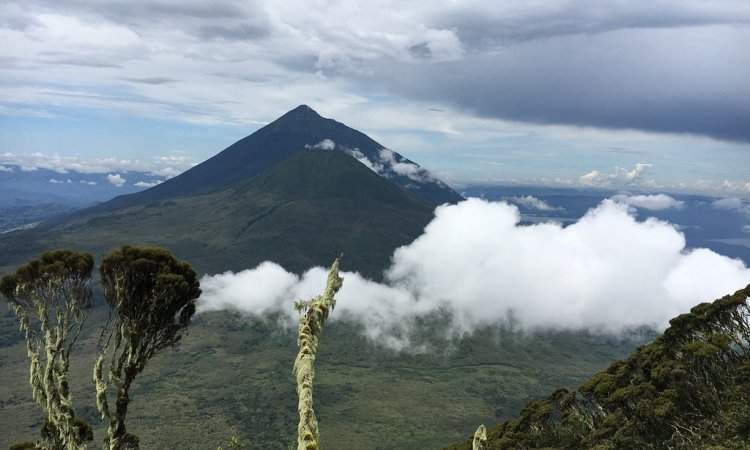
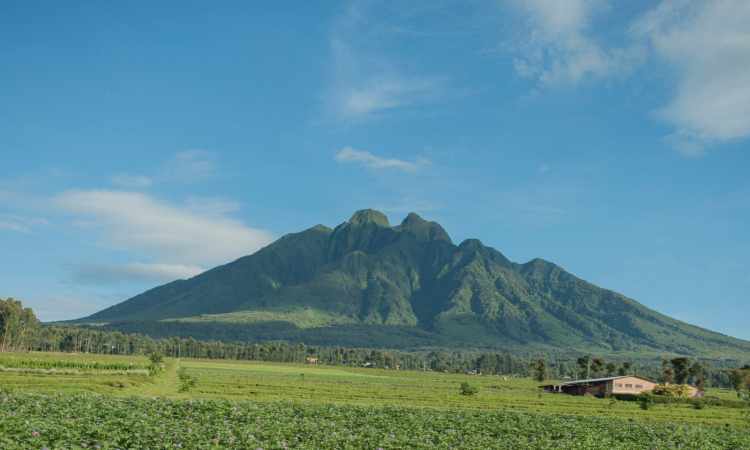
Mountain gorillas live in highland areas found in Uganda, Rwanda, and the Democratic Republic of Congo. These animals can be seen during gorilla trekking.
Mountain gorillas share 98 percent of their DNA with human beings, making them our closest relatives.
Below are some mountain gorilla adaptations that help them survive:
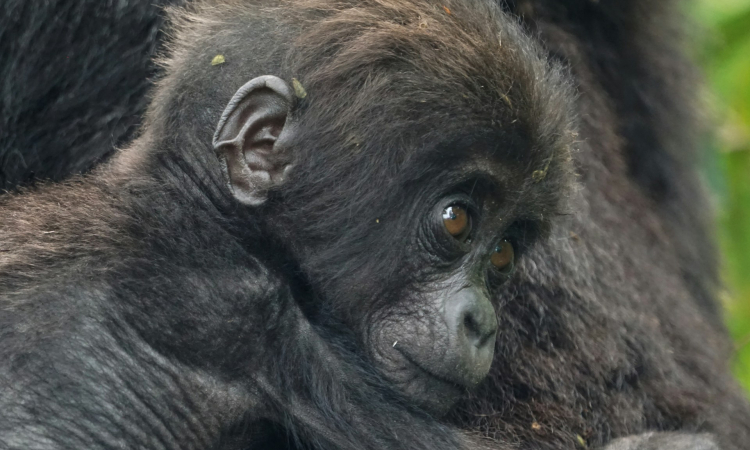
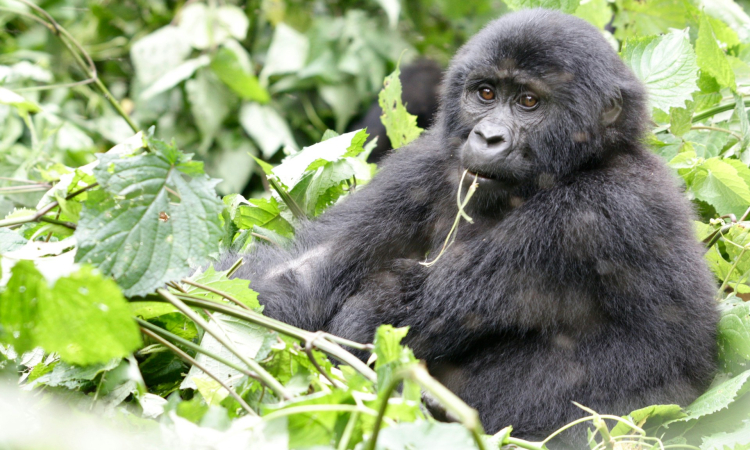
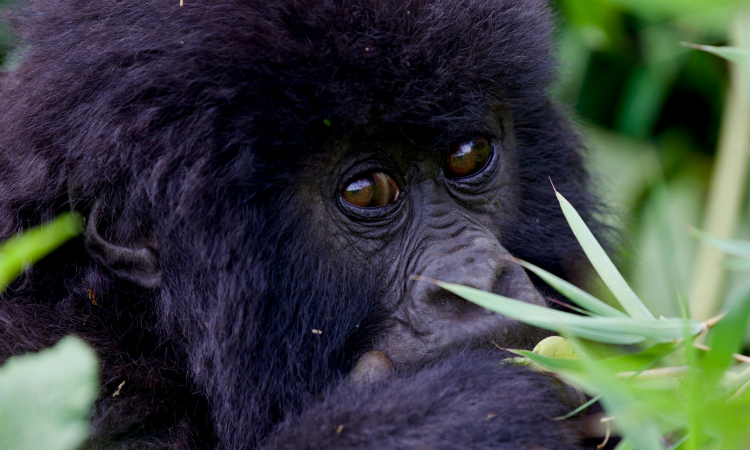
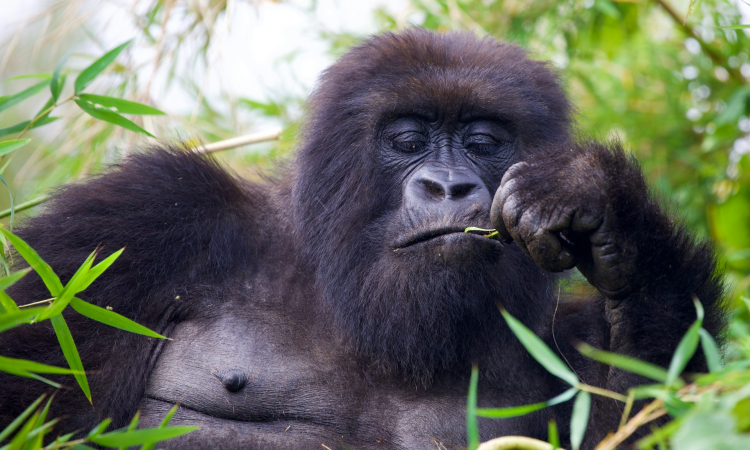
Mountain gorillas live in cold mountainous areas. Their thick fur keeps them warm and protects them from diseases like cough, flu, and pneumonia. The fur also guards them from insect bites.
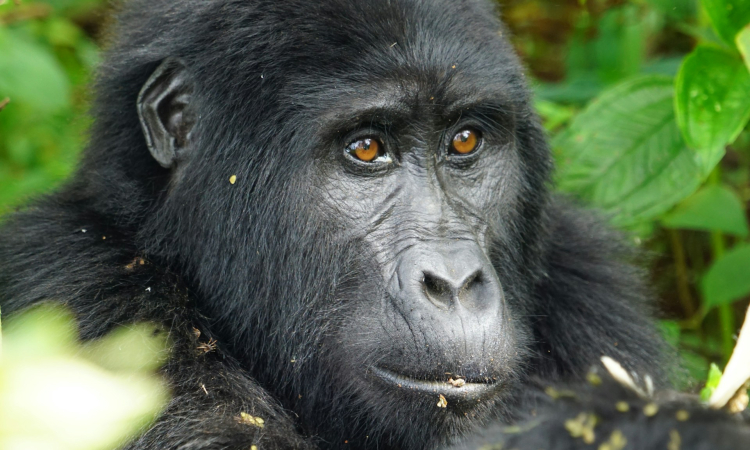
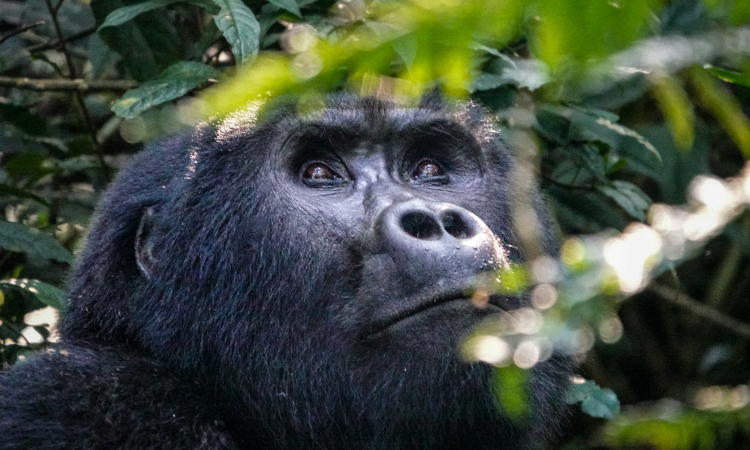
Mountain gorillas use body language and sounds to communicate. Their facial expressions show emotions and needs, helping them build strong bonds and live in harmony.
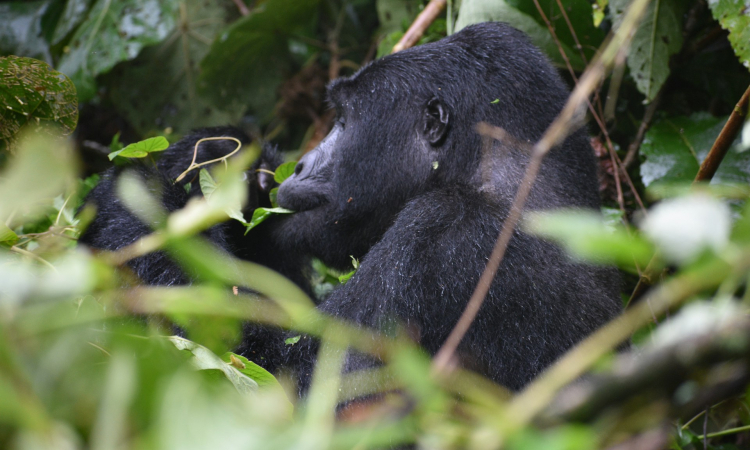
Mountain gorillas eat only plants and fruits, which makes them herbivores. This helps them survive easily in the forest because they do not need to hunt other animals for food.
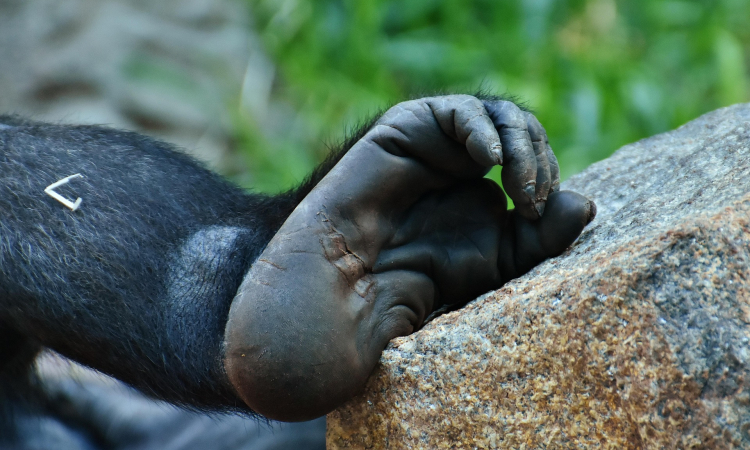
Mountain gorillas have strong thumbs that help them break hard fruit shells, making it easy to access food.
Mountain gorillas have large arms that they use to gather leaves, stems, and shoots. Their strong arms also help them move easily through the forest.
Mountain gorillas have flat teeth that help them chew and grind their food so it can be digested without difficulty.
Social structure is another adaptation. Mountain gorillas live in groups of about 5 to 30 members led by a silverback. The silverback makes decisions for the group, such as choosing feeding areas, nesting places, and waking time. This structure keeps the group safe.
Mountain gorillas are also secretive by nature. This helps them avoid danger because they can hide when they sense a threat from far away.
In conclusion, the many adaptations shown by mountain gorillas have played a major role in their survival.