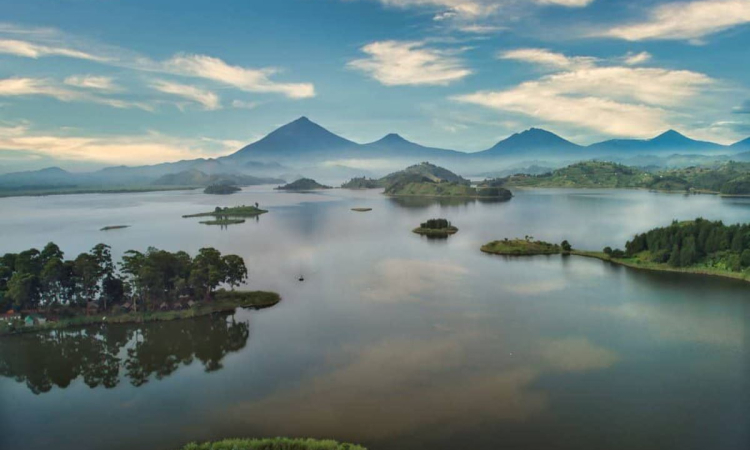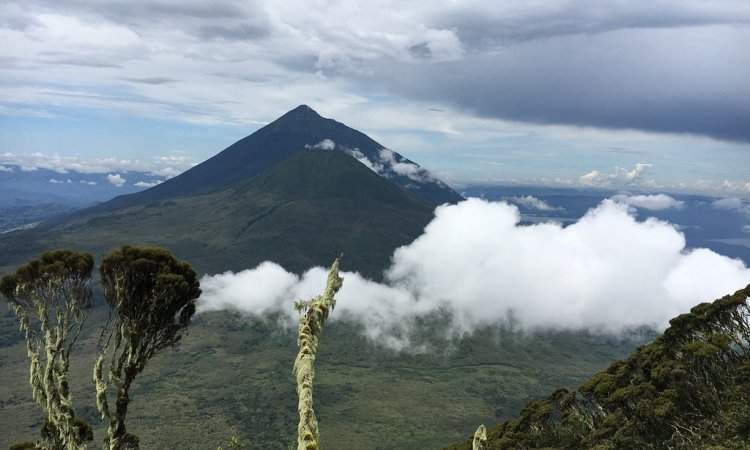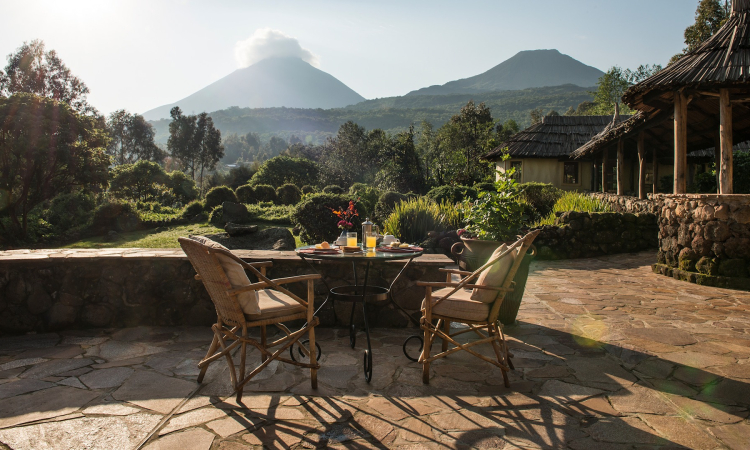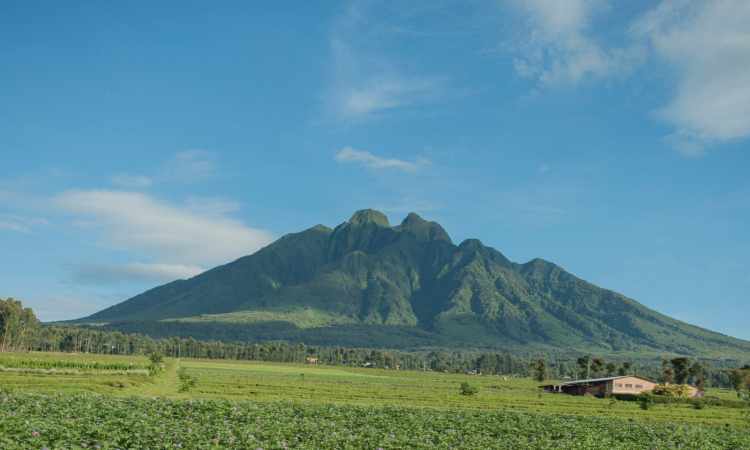
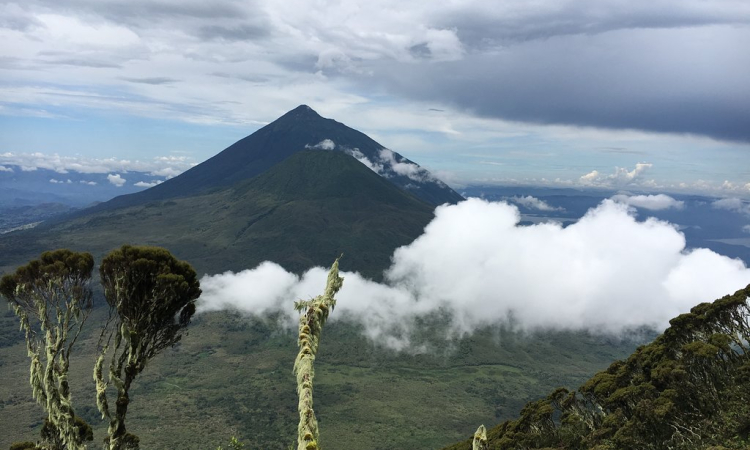
Mgahinga Gorilla National Park is located in the southwestern part of Uganda. It lies between three extinct volcanoes: Mount Muhabura (4,127 m), Mount Gahinga (3,474 m), and Mount Sabinyo (3,645 m). The park is the smallest in Uganda, covering a total area of 34 square kilometers.
The altitude of the park ranges from 2,227 meters to 4,127 meters above sea level, which gives it a cool climate throughout the year. Despite its small size, Mgahinga has a rich variety of wildlife, making it an important ecological area.
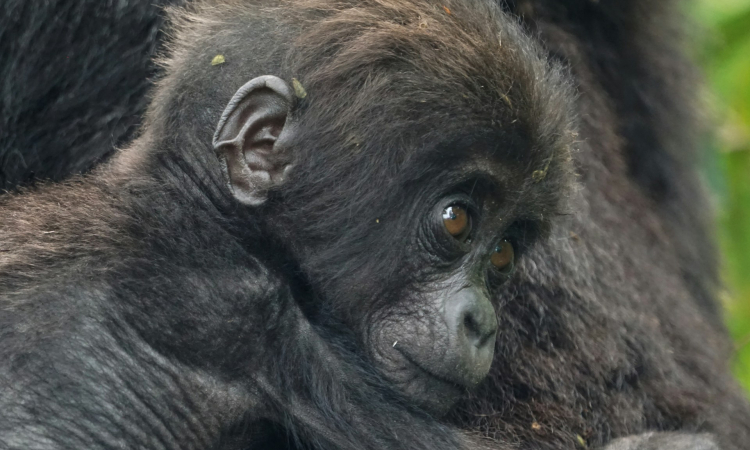
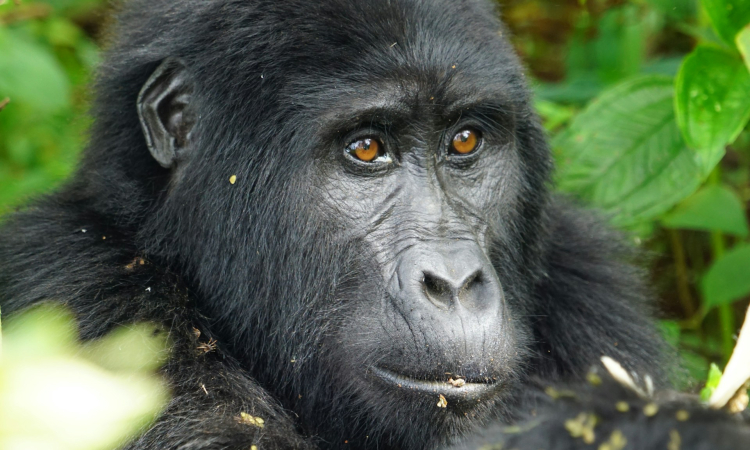
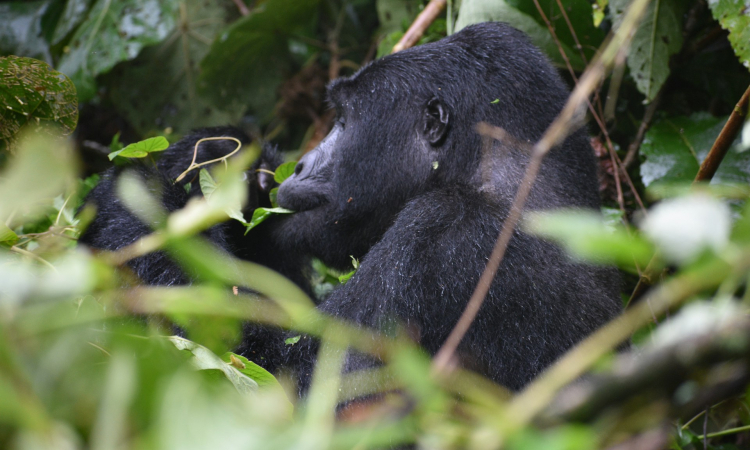
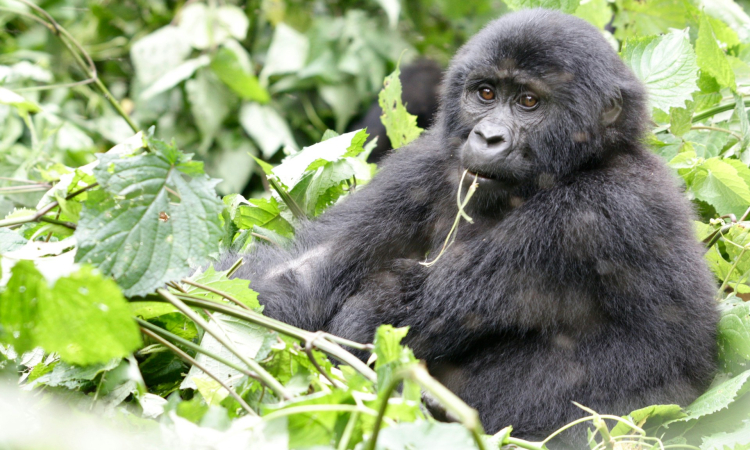
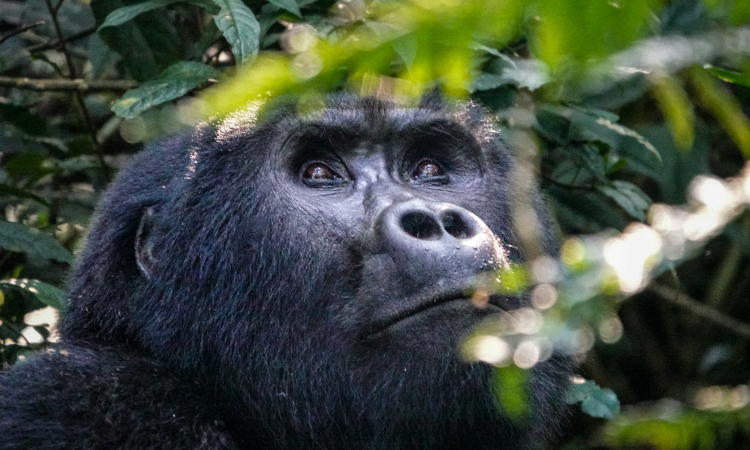
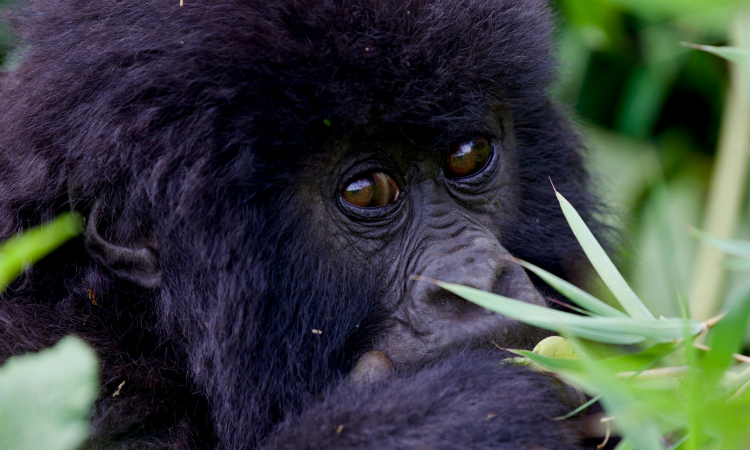
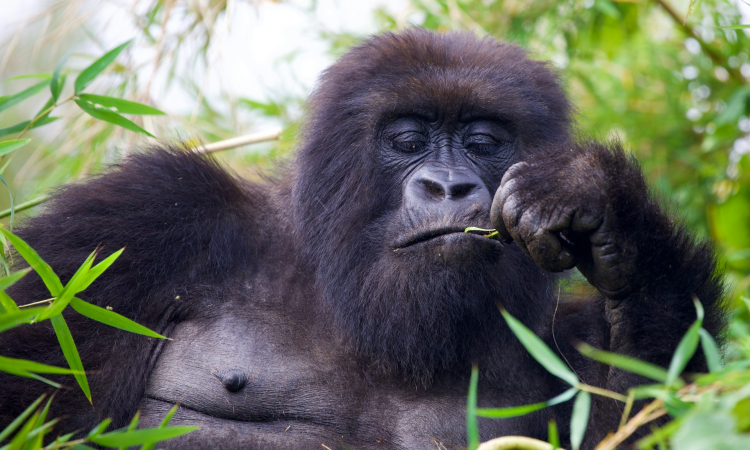
The park is home to several primates, including the endangered mountain gorillas. Tourists can trek to see the Nyakagezi Gorilla Family, spending up to one hour observing their behavior. Other wildlife species include leopards, bushbucks, forest elephants, antelopes, giant forest hogs, and buffaloes, though some of these animals are rarely seen.
Bird lovers can enjoy spotting more than 180 bird species in the park, some of which are endemic to the Albertine Rift. Common birds include the strange weaver, Kivu ground thrush, Rwenzori turaco, and dusky crimsonwing. Birding is best enjoyed along the bamboo belt and the Sabinyo Gorge Trail.
Mgahinga also hosts several insects and reptiles, including butterflies, which play a key role in maintaining the park’s ecosystem. The vegetation of the park is divided into different zones that provide habitats for various species. These include:
- Montane Forest: This forest covers the lower slopes of Mount Muhabura and is rich in pure montane vegetation.
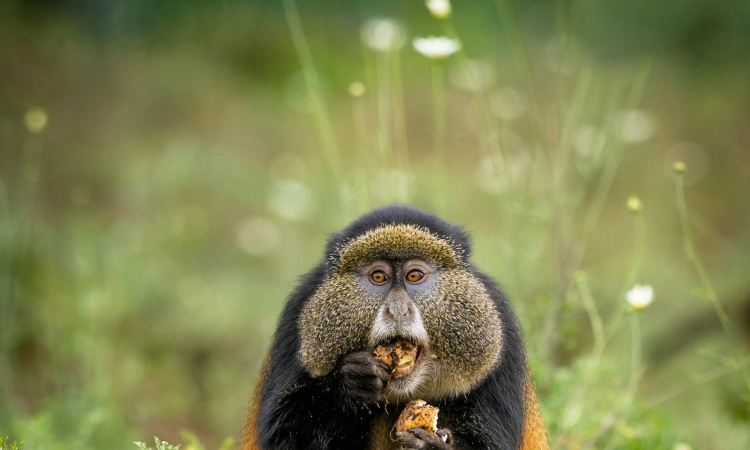
- Bamboo Zone: This zone stretches across the lower slopes of the volcanoes and provides a habitat for golden monkeys, which are one of the park’s major attractions.
- Hagenia-Hypericum Zone: Found above the bamboo belt, this zone is covered with Hagenia trees and heath vegetation.
- Afro-Alpine Belt: This is the highest vegetation zone, characterized by lobelia plants and giant groundsels, giving the mountains a unique appearance.
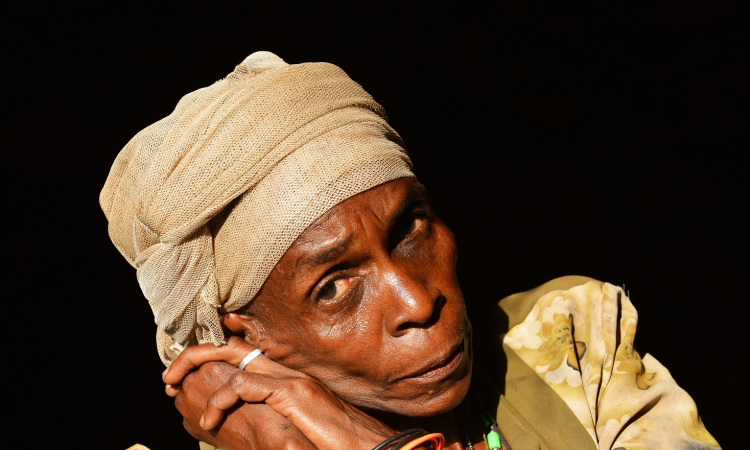
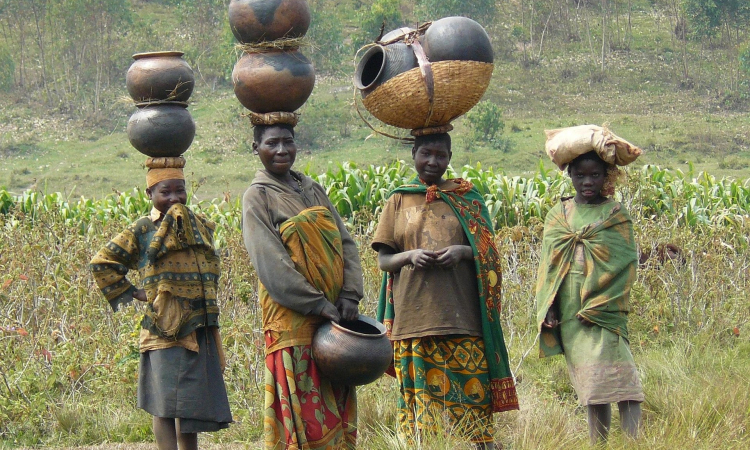
Mgahinga is also culturally rich and closely connected to the Batwa people, who were the original forest dwellers. They have deep traditional knowledge of herbal medicine and forest survival. Visitors can learn about their way of life through cultural encounters such as the Batwa Trail Experience.
The best time to visit Mgahinga Gorilla National Park is during the dry seasons from June to September and December to February, when the trails are dry and easier to hike. Visitors should pack both warm clothes and light wear due to unpredictable weather, along with sunglasses, sunscreen, insect repellent, and comfortable hiking boots.
The geography of Mgahinga, shaped by its forests, mountains, and high altitude, greatly influences its unique ecosystem and climate. The park’s rich biodiversity makes it one of Uganda’s most special natural treasures.