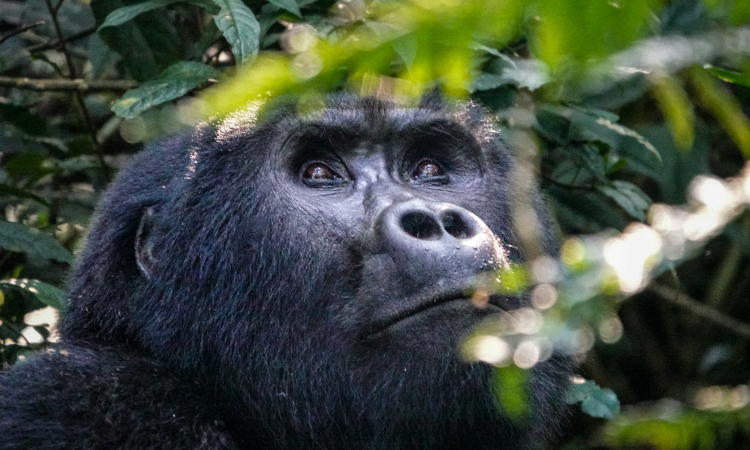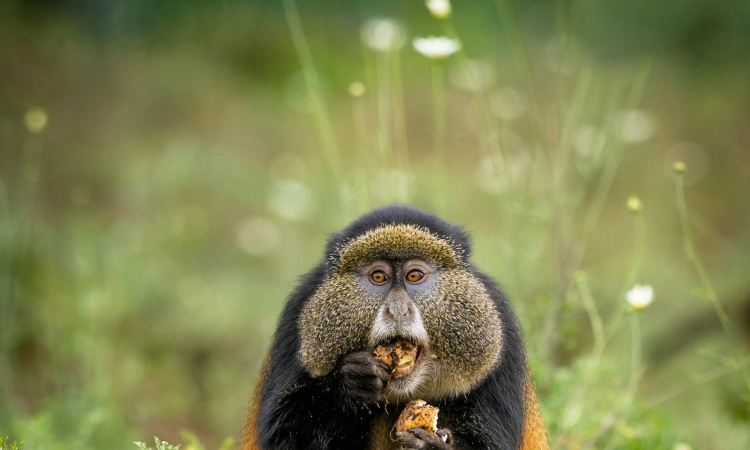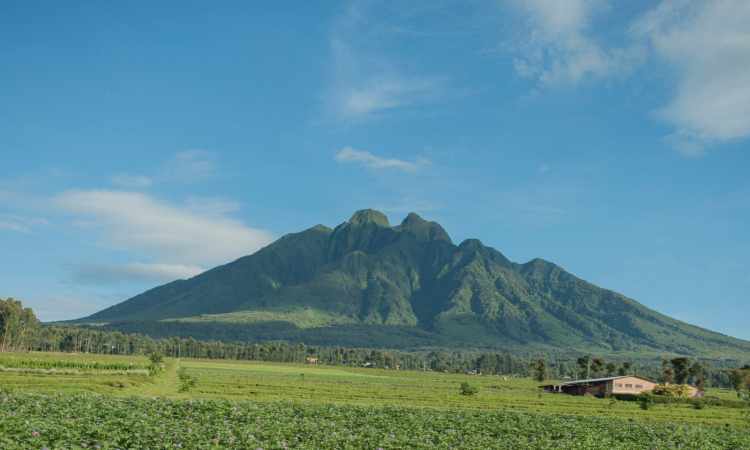
Butterflies of Mgahinga National Park – Mgahinga Forest is well known as a home for the endangered mountain gorillas and golden monkeys, but its beauty goes beyond primates. Deep within the Afro-montane and bamboo forests live many colorful creatures, including butterflies.
The forest provides shelter and many flowering plants that supply nectar, which is essential for butterflies to survive.
Key butterfly species in Mgahinga National Park
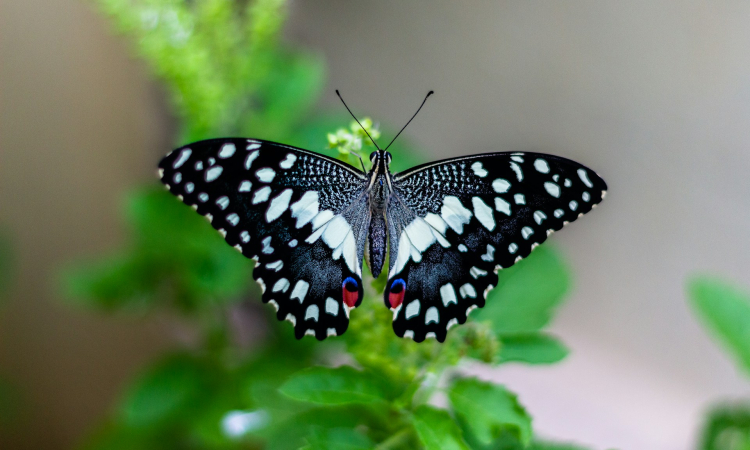
- Swallowtails: These are among the largest butterflies and are easy to recognize by their long tails on the hind wings. The most common species is the African Giant Swallowtail, which is the largest butterfly in Africa.
- Brush-footed butterflies: This is the largest butterfly family. They are known for their bright colors and camouflaged wings. They are fast fliers and usually feed on tree sap and fermenting fruit.
- Pieridae: These butterflies are easily identified by their white, yellow, or orange colors. They are often seen in sunny clearings and at the edges of the forest.
Butterflies go through a special life cycle called metamorphosis, which has four stages: egg, larva, pupa, and adult.
They feed on nectar from flowers, tree sap, juice from rotting fruits, and sometimes take nutrients from animal dung and mud puddles.
Butterfly numbers in Mgahinga change with the seasons. During the wet months of March to May and October to November, their population increases because of more rainfall, which supports the growth of flowering plants that provide food and shelter.
In the dry months from June to August and December to February, butterfly numbers go down because there is less food available.
Visitors can see butterflies during nature walks and hikes along the different trails in the park.
Butterflies play an important role in the ecosystem. They help in pollinating plants and serve as food for birds, reptiles, and amphibians.
Protecting Mgahinga Forest is very important for the survival of butterflies. Conservation measures include enforcing strict laws against deforestation and regular monitoring of the park.
Every butterfly in Mgahinga is a small reminder of the beauty and power of nature’s transformation.