
The Uganda Wildlife Authority (UWA) is a semi-autonomous government agency responsible for conserving, managing, and protecting Uganda’s wildlife species in national parks, reserves, and community areas. The agency ensures that wildlife resources are sustainably managed and that wildlife activities across the country are properly monitored.
With the motto “Conserving for Generations,” Uganda Wildlife Authority is committed to protecting the country’s wildlife and their habitats for the benefit of present and future generations.
Objectives of Uganda Wildlife Authority
The main goals of the Uganda Wildlife Authority include:
- Promoting sustainable use of wildlife to generate revenue for both the government and local communities.
- Conserving wildlife and other natural and scientific resources within Uganda’s protected areas.
- Ensuring that local communities benefit from wildlife conservation.
- Maintaining the integrity and proper management of all protected areas.
- Identifying and gazetting new areas to protect biodiversity, ecosystems, and natural habitats.
Location of Uganda Wildlife Authority Headquarters
The UWA headquarters are located at Plot 7, Kira Road, Kamwokya, a suburb on the outskirts of Kampala City. The UWA offices sit between the British High Commission to the east and the Uganda National Museum to the west.
History of Uganda Wildlife Authority
The Uganda Wildlife Authority was established in 1996 through the merger of the former Game Department and Uganda National Parks. This followed the passing of the Uganda Wildlife Statute, which later became the Uganda Wildlife Act of 2000. The law was updated in 2019, leading to the current Uganda Wildlife Act, 2019, which strengthened wildlife protection and community involvement in conservation.
As of 2021, UWA manages:
- 10 National Parks – Murchison Falls, Queen Elizabeth, Kidepo Valley, Lake Mburo, Semuliki, Mount Elgon, Rwenzori Mountains, Bwindi Impenetrable, Mgahinga, and Kibale National Parks.
- 12 Wildlife Reserves – including Pian Upe and Katonga.
- 14 Wildlife Sanctuaries.
- 5 Community Wildlife Areas.
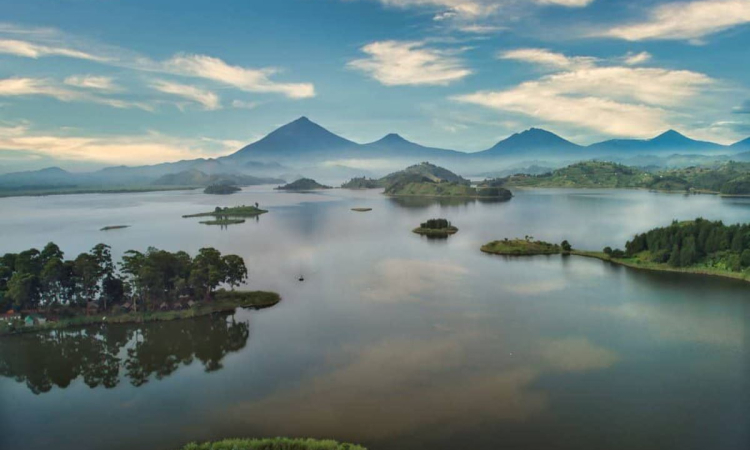
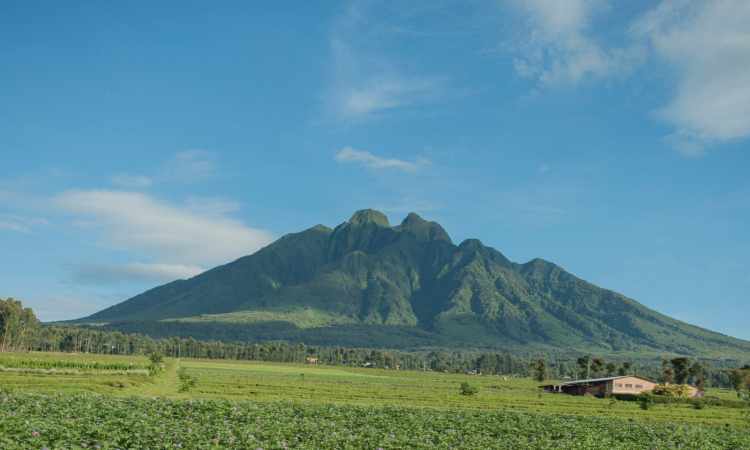
These protected areas showcase Uganda’s incredible natural beauty, from tropical forests and vast Savannah plains to scenic lakes, rivers, and the Great Rift Valley landscapes. They also protect an incredible range of animal and plant life.
Wildlife & Activities Under UWA
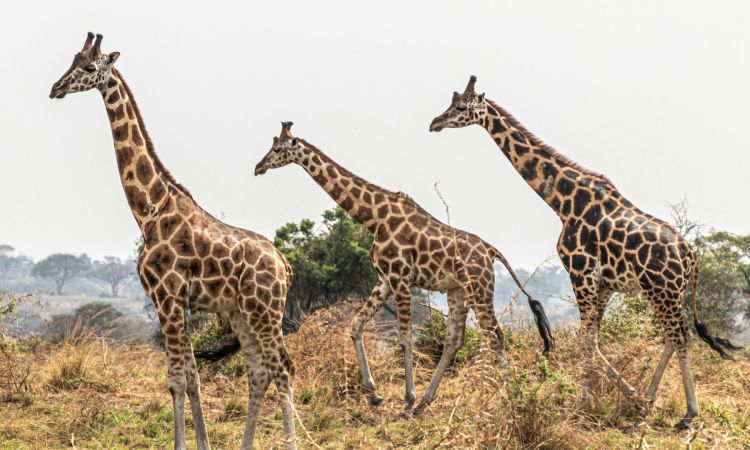
Uganda offers traditional savannah safaris, mountain hikes, birdwatching, forest walks, boat cruises, and research programs within its national parks. The country is one of the best birding destinations in Africa, with more than 1,060 bird species, many of them endemic.
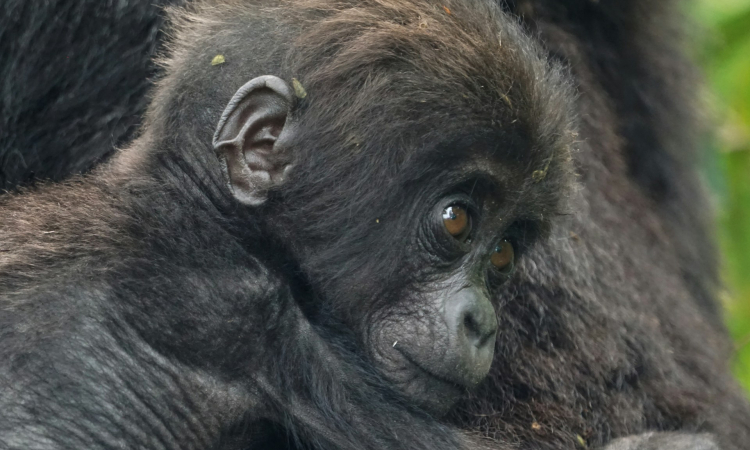
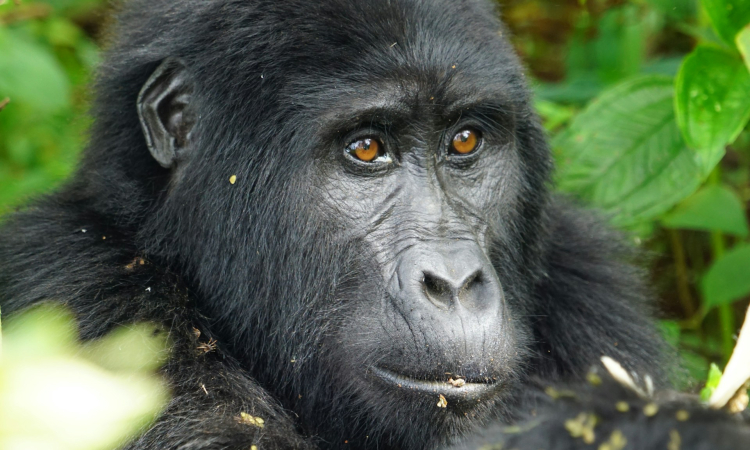
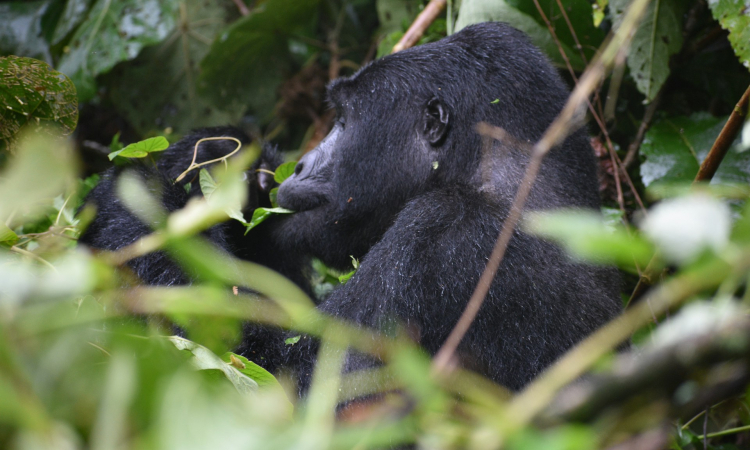
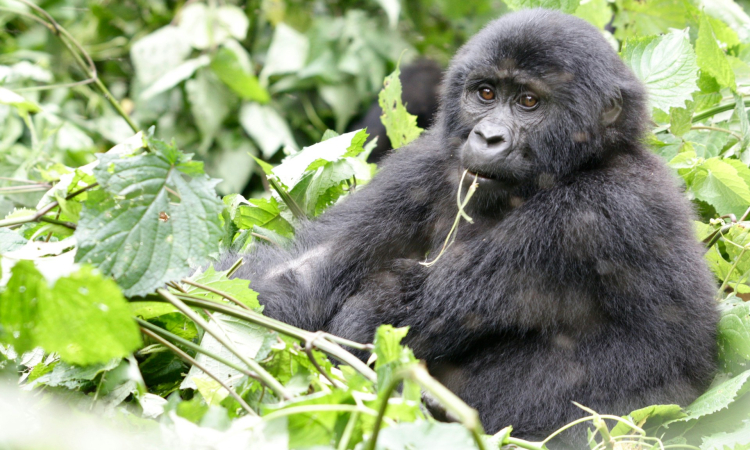
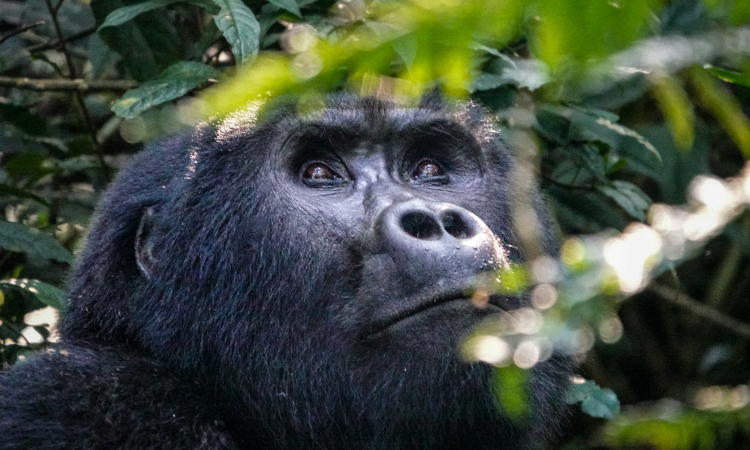
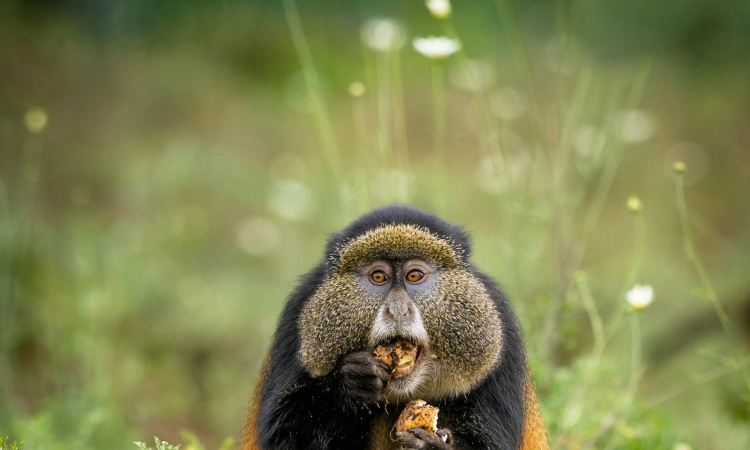
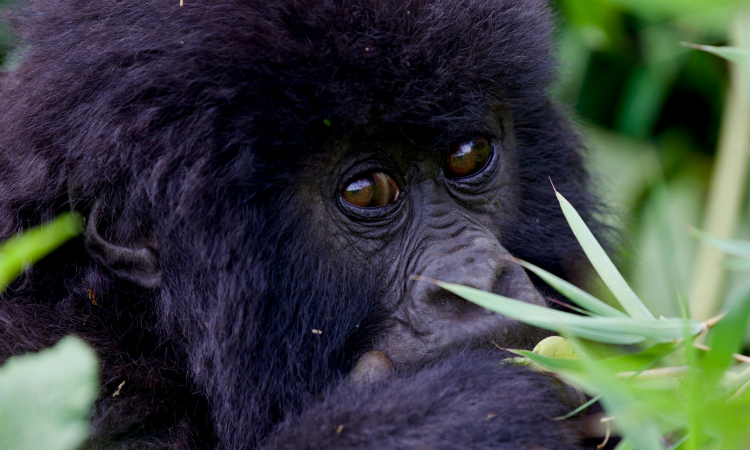
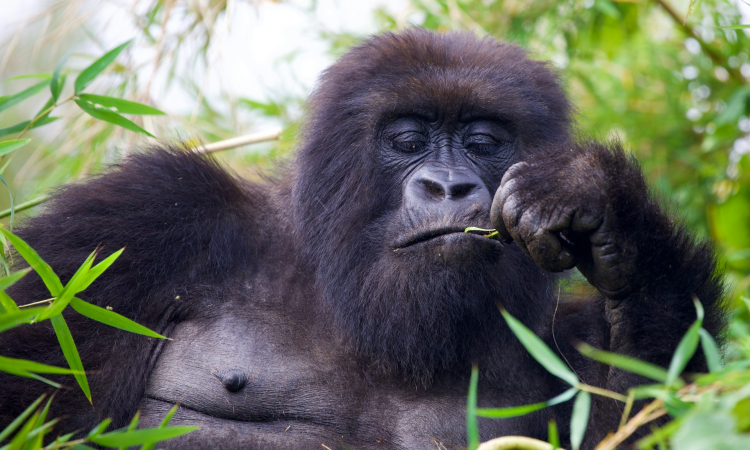
Uganda is also home to over 20 primate species, including the endangered mountain gorillas found in Bwindi Impenetrable and Mgahinga National Parks, as well as chimpanzees and golden monkeys.
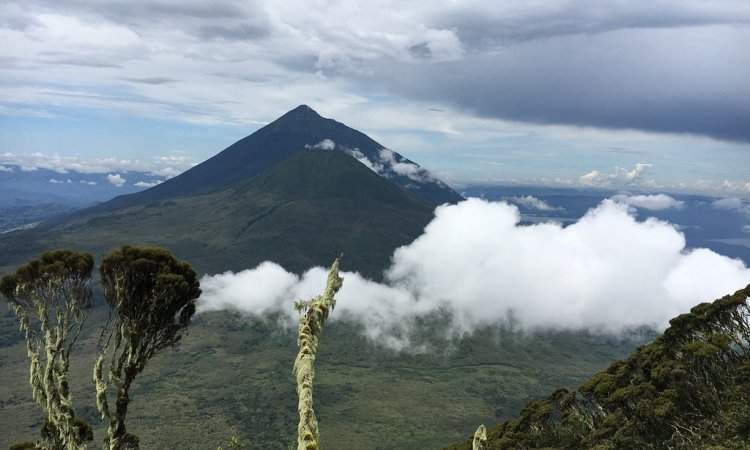
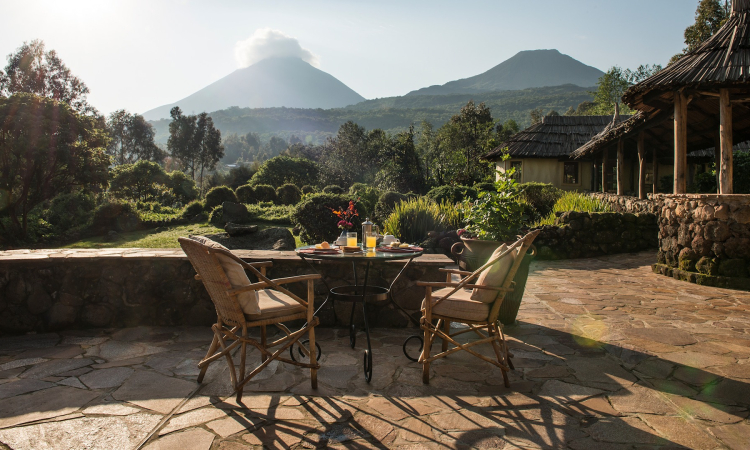
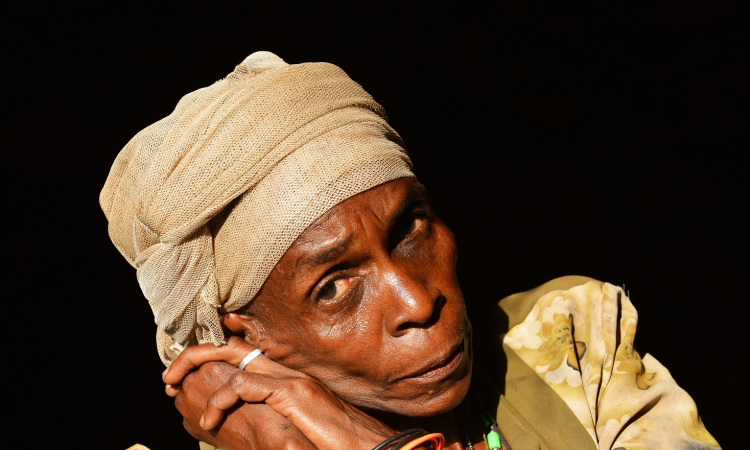
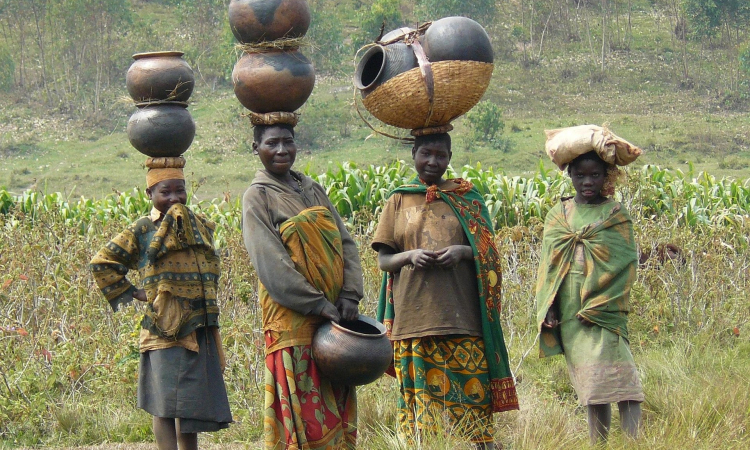
Visitors can trek mountain gorillas in Bwindi, explore the remote wilderness of Kidepo, hike the Virunga Volcanoes in Mgahinga, or see the famous tree-climbing lions in Queen Elizabeth National Park. Travelers can also enjoy local cultural experiences, traditional crafts, and the friendly hospitality that Uganda is known for.
Governance & Management of UWA
The Uganda Wildlife Authority is governed by a nine-member Board of Trustees, appointed by the Minister of Tourism, Wildlife, and Antiquities. The current Board was appointed in 2018 under the leadership of Benjamin Otto, former Permanent Secretary in the Ministry of Tourism.
The Executive Director of UWA is Sam Mwandha, who took office on March 26, 2018, succeeding Dr. Andrew Seguya. Together with the Board, he oversees the agency’s operations, conservation projects, and community programs across all protected areas in Uganda.