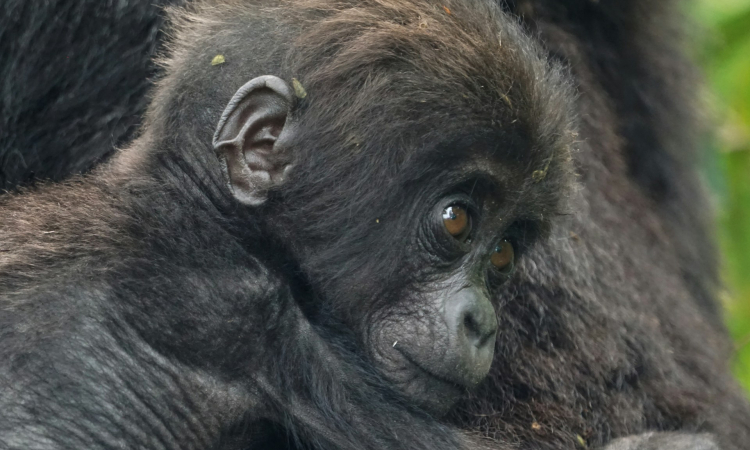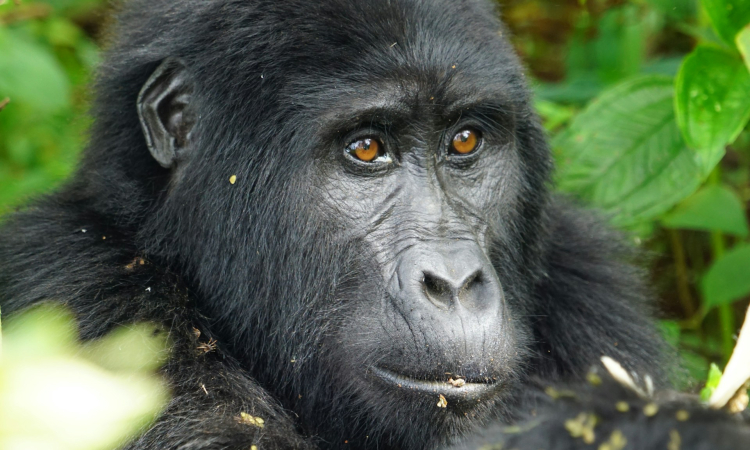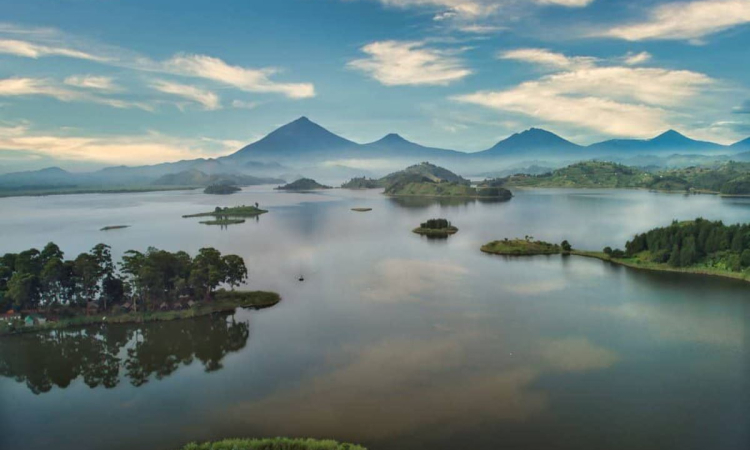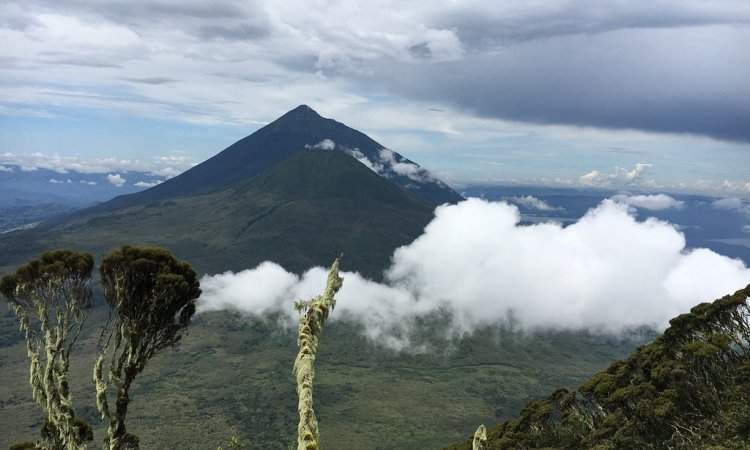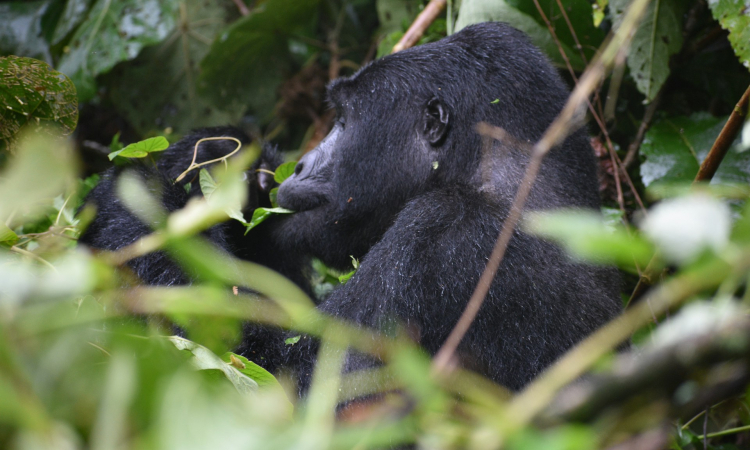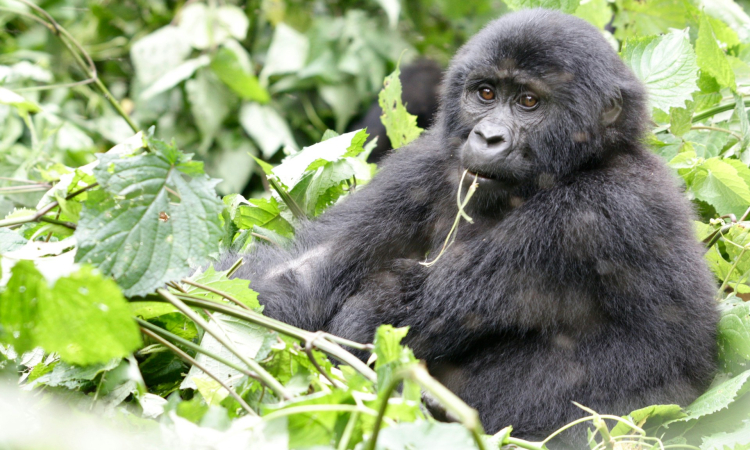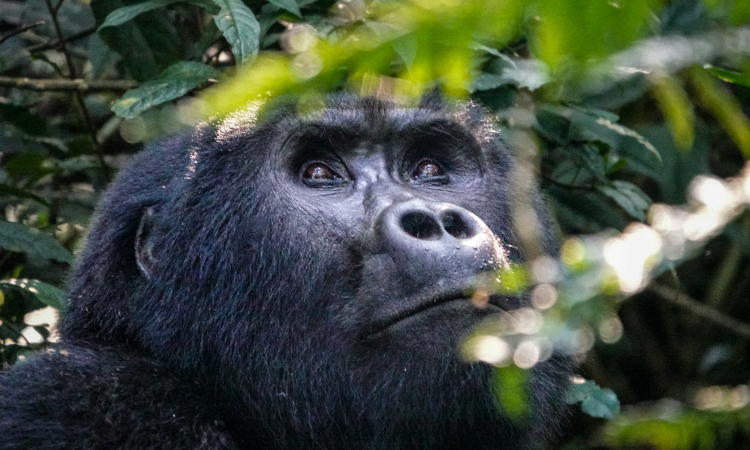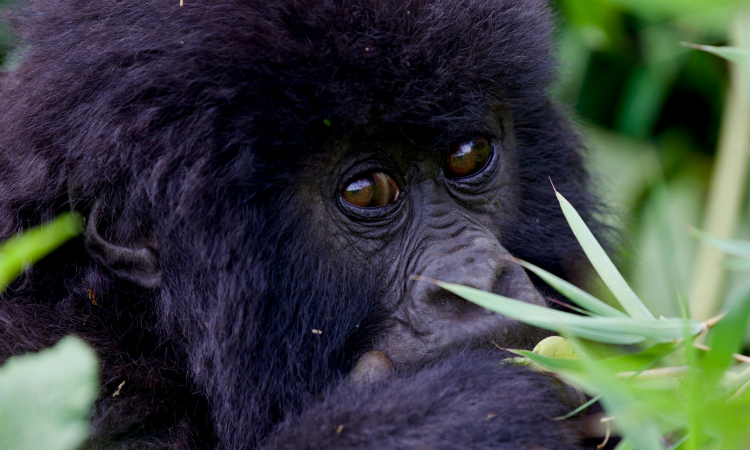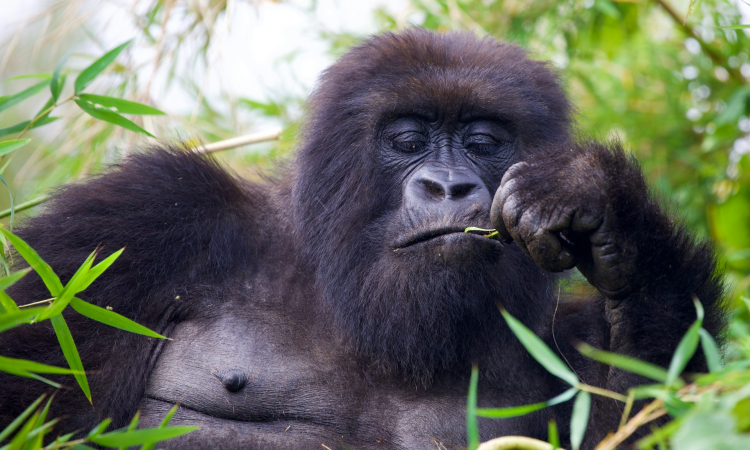
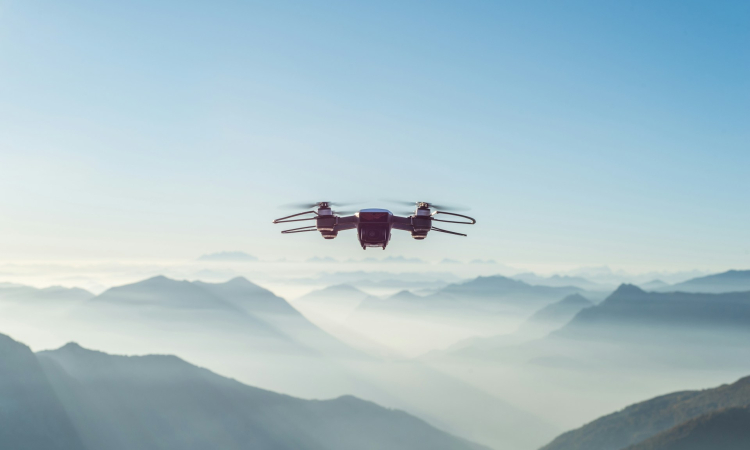
Mgahinga National Park, home to the critically endangered mountain gorillas and many other wildlife species, is a fragile environment that requires strong protection. In recent years, a new conservation approach, the use of drones has been introduced to help monitor and safeguard the park’s ecosystems.
Permission to Use Drones
Before flying a drone in Mgahinga, tourists or researchers must first get permission from the Uganda Civil Aviation Authority (UCAA) and the Uganda Wildlife Authority (UWA). These are the government bodies responsible for approving and regulating drone operations.
A drone permit costs UGX 250,000, and once payment is made and permission granted, the drone can be used under specific conditions.
Who Uses Drones in Mgahinga
Drones in Mgahinga are mainly used by researchers, filmmakers, and wildlife authorities. Each group uses drones for a specific purpose that supports wildlife protection and scientific research.
Purpose of Using Drones
One of the key uses of drones in Mgahinga is anti-poaching patrols. Because the park’s terrain is steep and difficult to cover on foot, drones fitted with high-resolution cameras are flown over thick forest canopies to monitor illegal activities. This helps rangers detect poaching threats early and respond quickly to protect the animals.
Drones are also used for surveying wildlife populations. Their aerial view makes it easier to collect data on gorilla movements, group size, and nesting sites. This information helps researchers track gorilla behavior and monitor population trends more effectively.
Challenges of Using Drones
Although drones have greatly supported conservation, they also bring a few challenges. The noise from drones can disturb gorillas and other animals, sometimes causing them to flee. Because of this, drone use in Mgahinga is closely supervised to minimize disturbance to wildlife.
Rules and Regulations for Flying Drones
To ensure safe and responsible drone use, strict rules and regulations have been put in place. Drone operators must:
- Keep the drone within visual line of sight.
- Fly at or below 400 feet.
- Operate only during daylight hours.
- Maintain speeds under 100 mph.
- Give right of way to all manned aircraft.
- Avoid flying directly over people without their consent.
- Never fly from a moving vehicle.
Following these rules helps protect both the environment and other park visitors.
Best Time to Fly Drones
The best time to use drones in Mgahinga is during the dry seasons, from June to August and December to February. During these months, the weather is clear and the vegetation is less thick, allowing for better aerial photos and videos.
The Future of Drones in Mgahinga
The future of drone technology in Mgahinga looks promising. With continued innovation, especially the use of GPS and improved cameras, drones are expected to make conservation work faster, safer, and more effective. They play an important role in protecting wildlife, studying ecosystems, and supporting sustainable tourism.