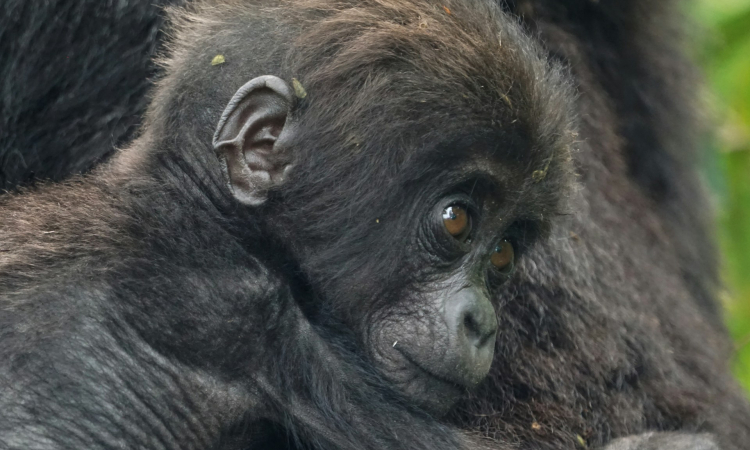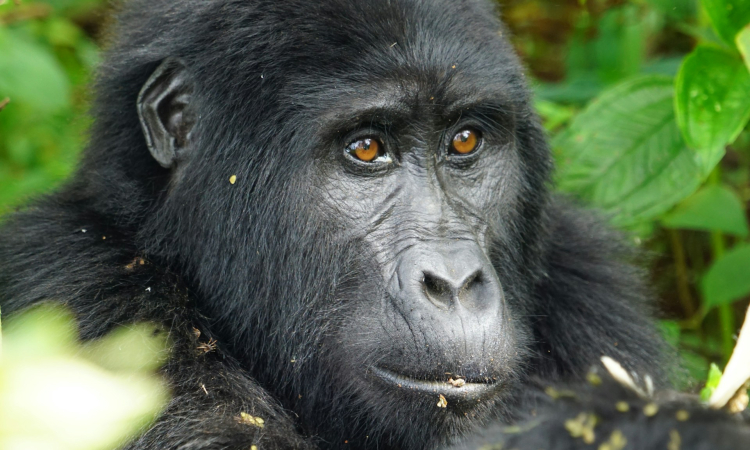
Want to learn the difference between gorilla trekking and gorilla habituation? Both gorilla trekking and gorilla habituation help visitors understand the lives of endangered mountain gorillas. However, each activity offers a different experience and purpose.
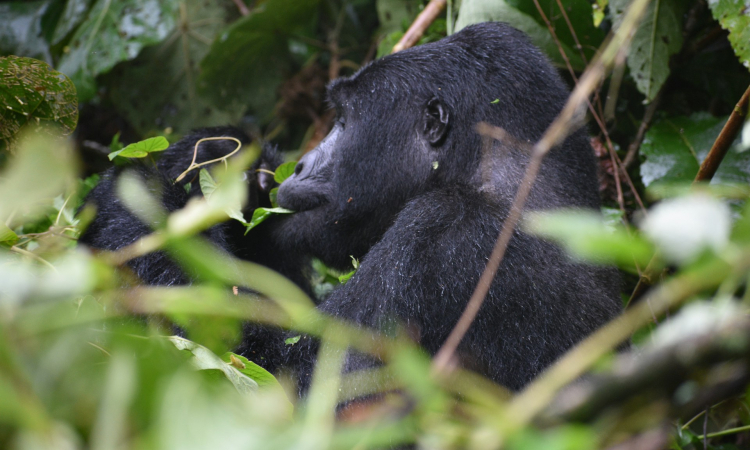
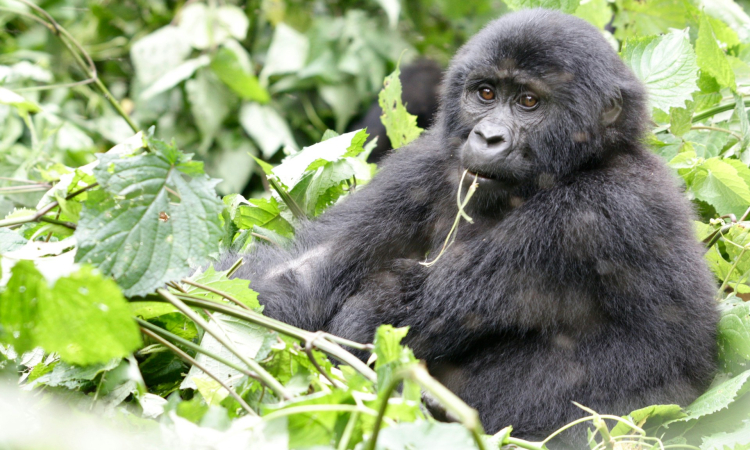
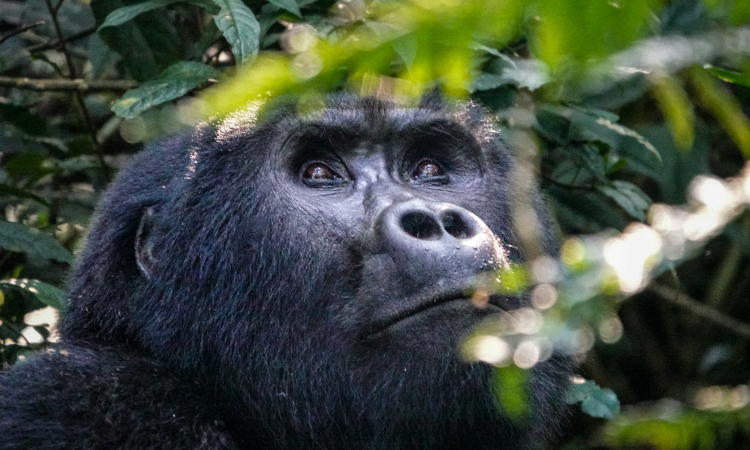
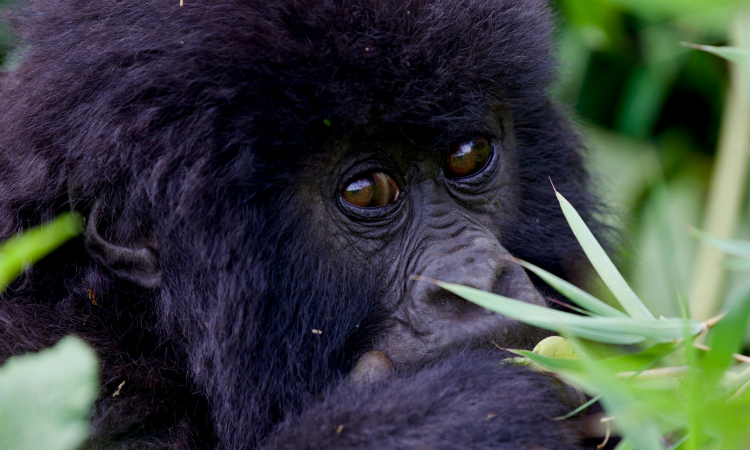
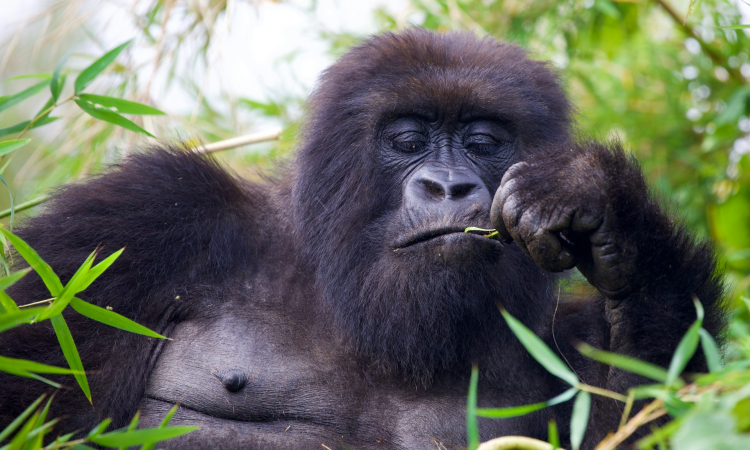
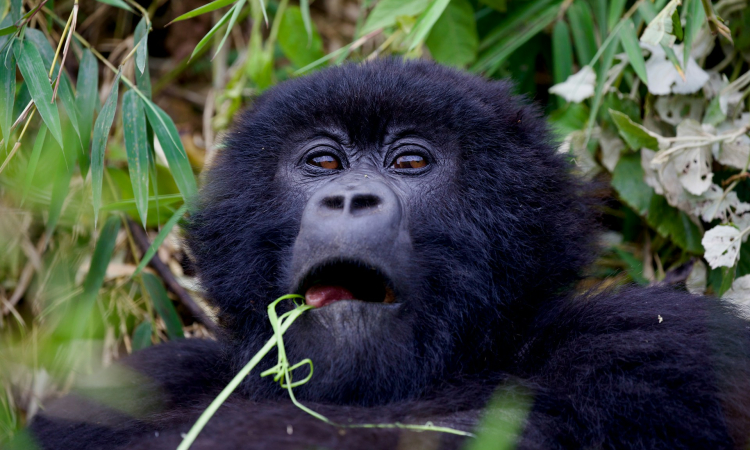
Gorilla trekking involves walking through the forest to find and observe gorillas in their natural home. Gorilla habituation, on the other hand, is the process of slowly getting gorillas used to human presence for research, conservation, and tourism.
Time spent
Gorilla trekking takes between 30 minutes and 6 hours, depending on where the gorillas are located. Once the group finds them, visitors are allowed to spend only one hour with the gorillas.
Gorilla habituation takes longer, about 6 hours, and visitors can spend up to 4 hours with the gorillas, observing and learning about their behavior. This makes gorilla habituation a better choice for those who want more time with the animals.
Group size
Gorilla trekking allows a maximum of 8 people per gorilla family.
Gorilla habituation allows only 4 people, making it a more private and personal experience.
Cost
The price of a gorilla permit depends on the country. In Uganda, a gorilla trekking permit costs USD 800 for foreign non-residents, USD 700 for foreign residents, and UGX 300,000 for East African citizens.
A gorilla habituation permit is more expensive. It costs USD 1,500 for foreign non-residents and UGX 750,000 for East African citizens.
Purpose
Gorilla trekking focuses mainly on observing and taking photos of mountain gorillas for a short time.
Gorilla habituation offers a deeper, hands-on experience where visitors spend more time with the gorillas and learn about their daily lives.
Regions where activities occur
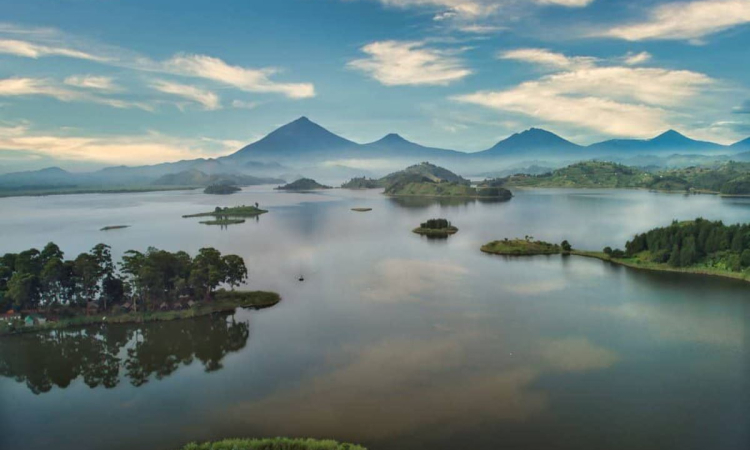
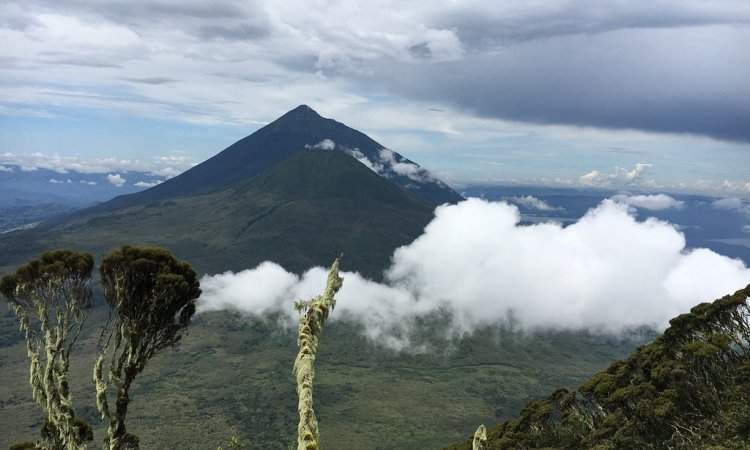
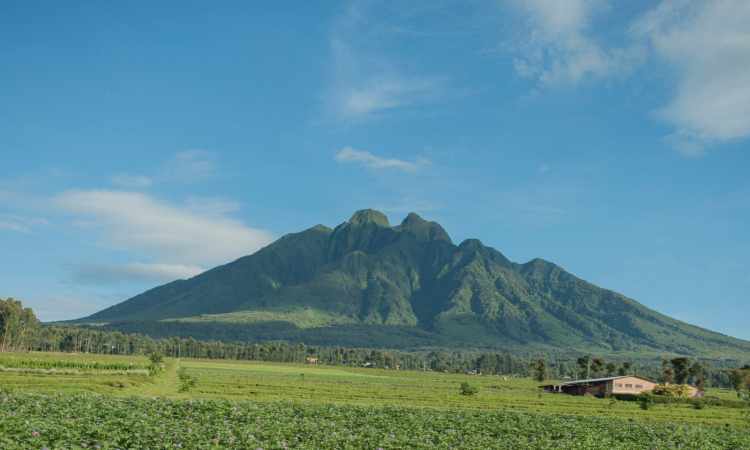
In Uganda, gorilla trekking takes place in Bwindi Impenetrable National Park and Mgahinga Gorilla National Park. In Bwindi, it happens in four sectors: Ruhija, Rushaga, Buhoma, and Nkuringo. Tourists can choose any of these sectors.
Gorilla habituation, however, takes place only in the Rushaga sector of Bwindi, and it involves two gorilla families: Bikingi and Bushaho.
Both gorilla trekking and gorilla habituation are valuable experiences. Each gives visitors a special chance to learn more about the endangered mountain gorillas and support their protection.