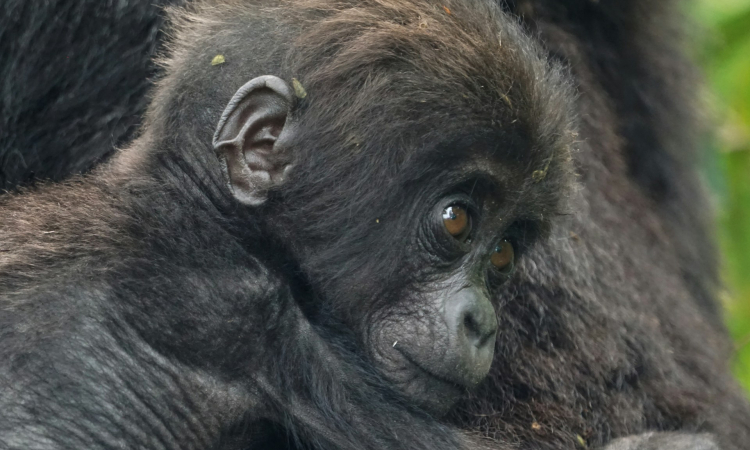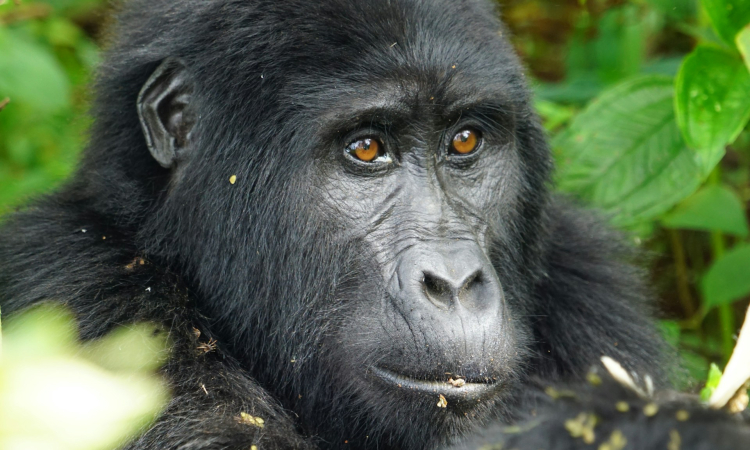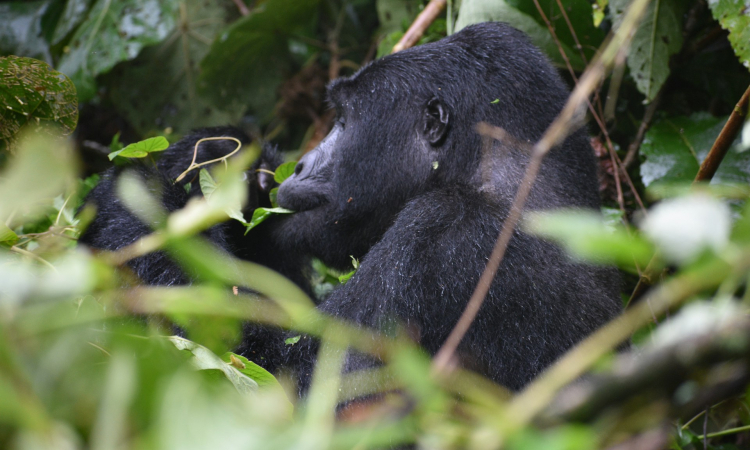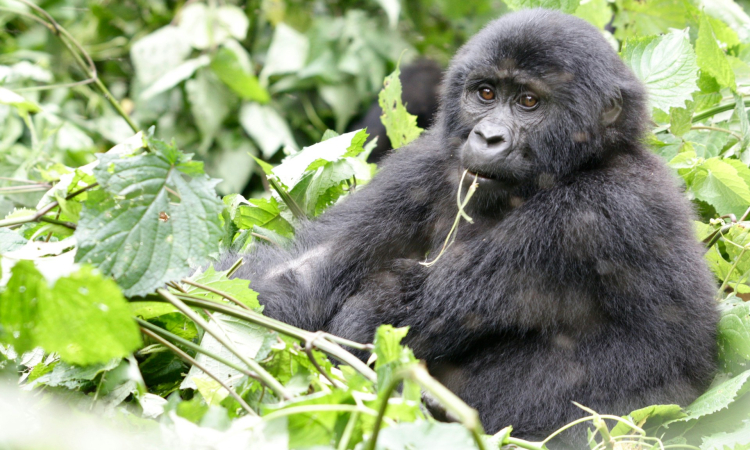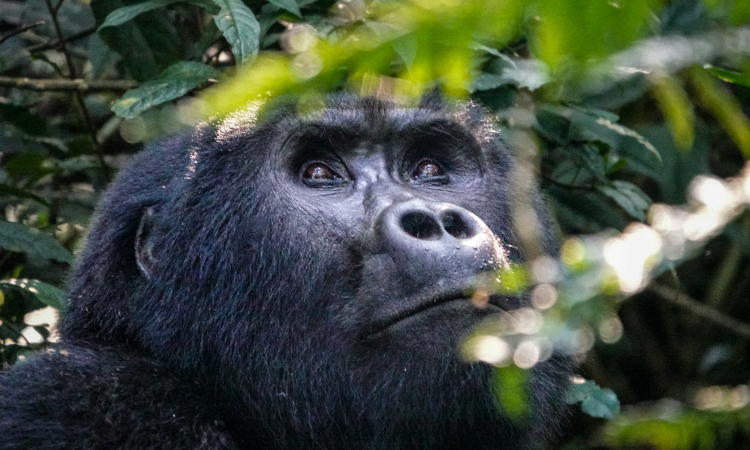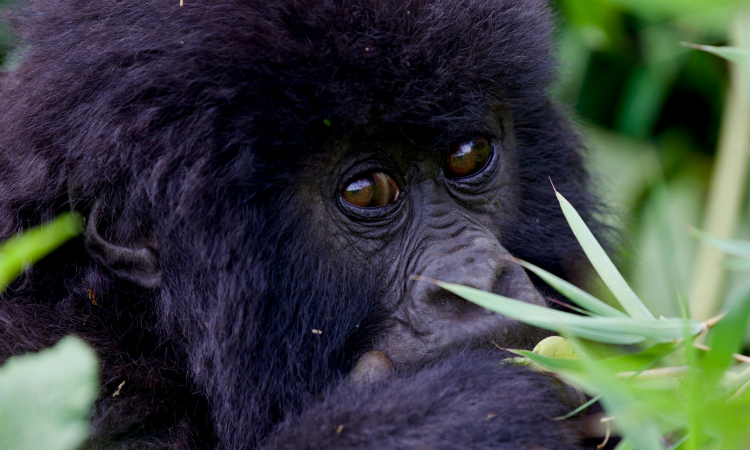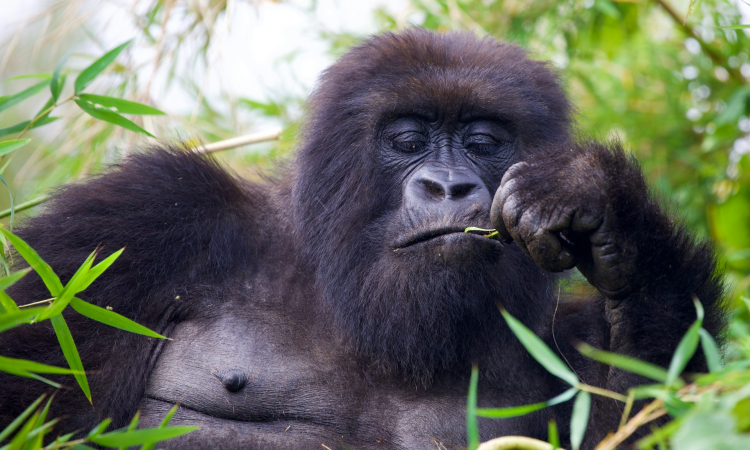
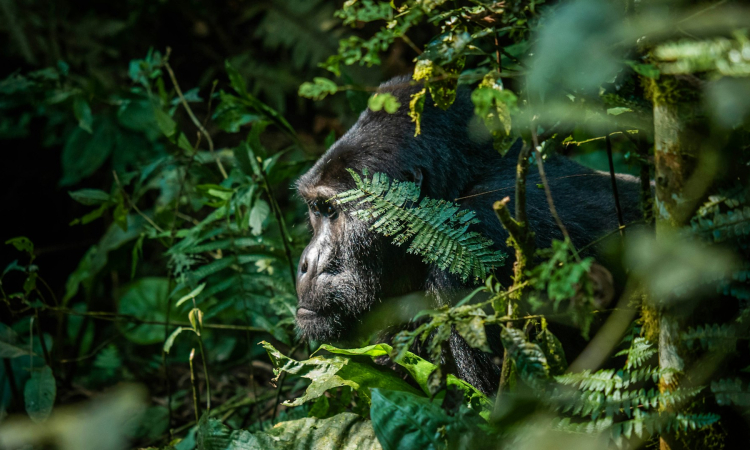
Mountain Gorilla Poaching and Conservation Efforts – Mountain gorillas have only started to increase in number in recent years, thanks to the work of researcher Dian Fossey, whose efforts helped change their future. In the past, mountain gorillas were on the brink of disappearing from the earth.
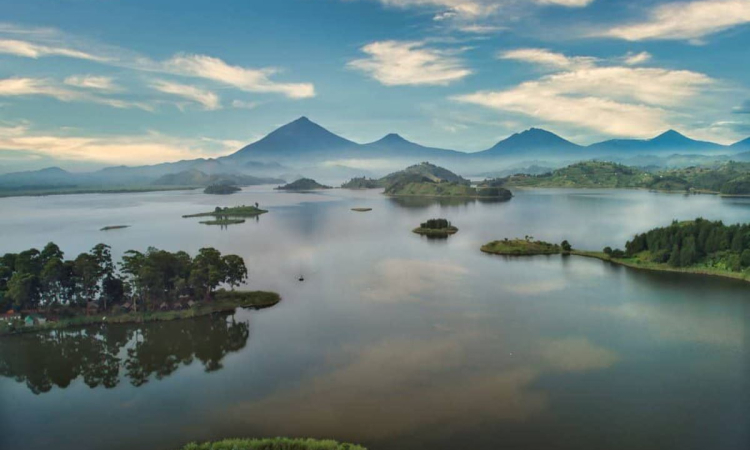
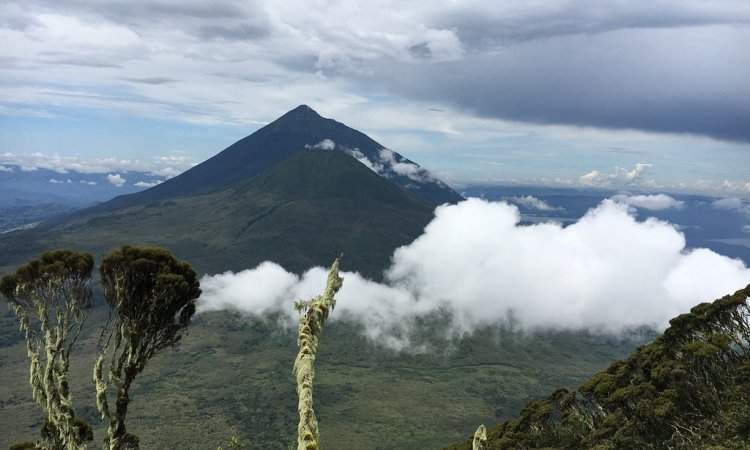
However, because of her work and other conservation programs, about 1,060 individuals can now be visited and seen in the wild today. These gorillas live in Virunga National Park in Congo, Bwindi Impenetrable and Mgahinga National Parks in Uganda, and Volcanoes National Park in Rwanda.
Why Are Gorillas Poached?
This is a common question among people who care about wildlife conservation and fear losing these rare animals. Below are the main reasons why gorillas are still being poached.
- Bushmeat: This is the main reason behind mountain gorilla poaching. Some people hunt these apes to sell their meat in high-end markets across Central and West Africa. Many wealthy people believe that eating gorilla meat shows prestige and class. The high demand and high prices have pushed locals to poach gorillas for profit from the illegal bushmeat trade.
- Medicinal Beliefs: In some parts of Central and West Africa, people wrongly believe that gorilla meat has healing powers. Others think that gorilla body parts can be used to make magic charms or spells. These false beliefs have led to continuous poaching and killing of gorillas.
- Pet Trade: Another major reason for poaching is the illegal pet trade. Baby gorillas are captured and sold to private animal collectors abroad. Poachers are tempted by the large sums of money they can earn from selling gorillas, even though this destroys the future of the species.
- Accidental Poaching: Sometimes gorillas are not the main targets. They get trapped accidentally in snares meant for other forest animals such as antelopes. These traps can cause serious injuries or even death.
Other Threats to Mountain Gorillas
Besides poaching, mountain gorillas face many other challenges that threaten their survival.
- Political conflicts: In countries like the Democratic Republic of Congo, wars and armed conflicts put gorillas at risk. They are often killed in crossfire or by explosives used by fighters.
- Diseases: Gorillas can catch human diseases such as pneumonia and Ebola, which can easily spread among them and cause deaths.
- Human encroachment: As people move into forest areas to farm or settle, gorillas lose their natural homes. They are forced to move to higher, less suitable areas, which affects their survival.
How You Can Help
Many efforts are being made to protect and conserve mountain gorillas. Government agencies and wildlife authorities employ park rangers and patrol teams to monitor gorilla groups, remove snares, and stop poachers.
Community programs also help local people understand the value of conserving gorillas and other wildlife. This has reduced human–wildlife conflicts and poaching. Because of these efforts, gorilla numbers are slowly increasing.
You can also play a part in this important cause by visiting the gorillas. A large part of every gorilla trekking permit fee (over 80%) supports conservation work. The money pays rangers, funds patrols, supports community education, and improves local livelihoods.
By taking part in a gorilla trekking safari, you help protect these amazing apes and ensure they continue to live safely for future generations.