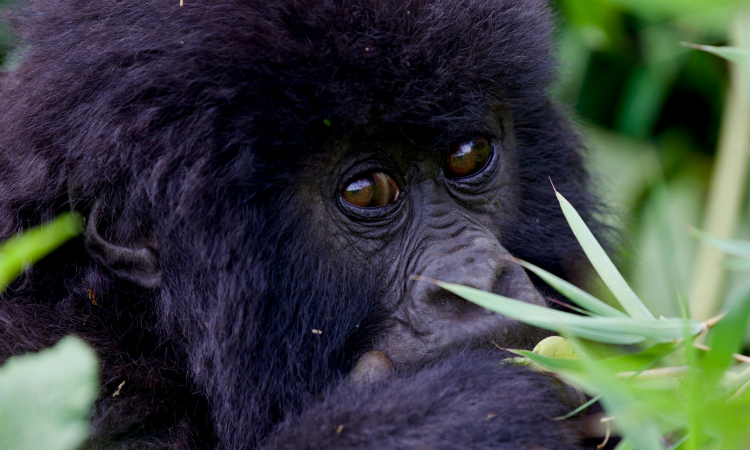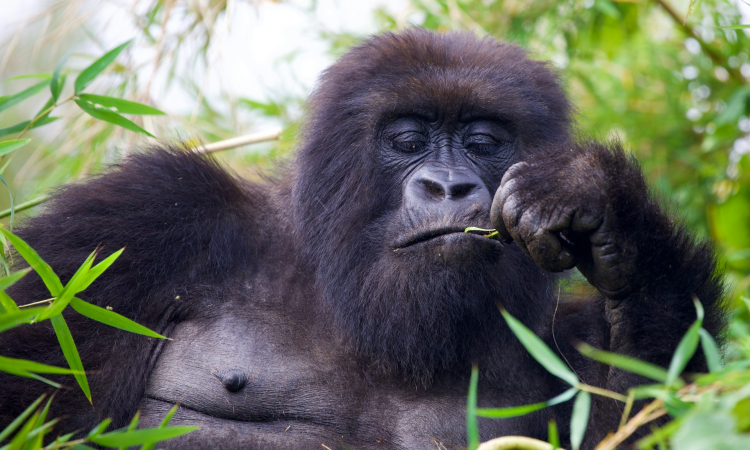
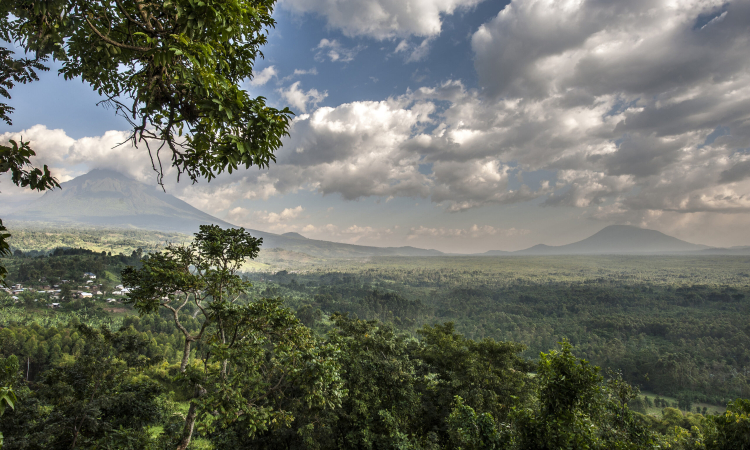
Virunga National Park lies in the Albertine Rift Valley in the eastern Democratic Republic of the Congo (DRC). It is one of Africa’s most popular destinations for travelers interested in trekking to see mountain gorillas in their natural habitat. Established in 1925, Virunga is Africa’s oldest national park, created to protect a portion of the world’s remaining 1,063 mountain gorillas.
Covering about 7,800 square kilometers, Virunga is the largest gorilla park in Africa. It has many habitats that provide a home for a wide range of wildlife and bird species.
Gorilla Trekking in Virunga
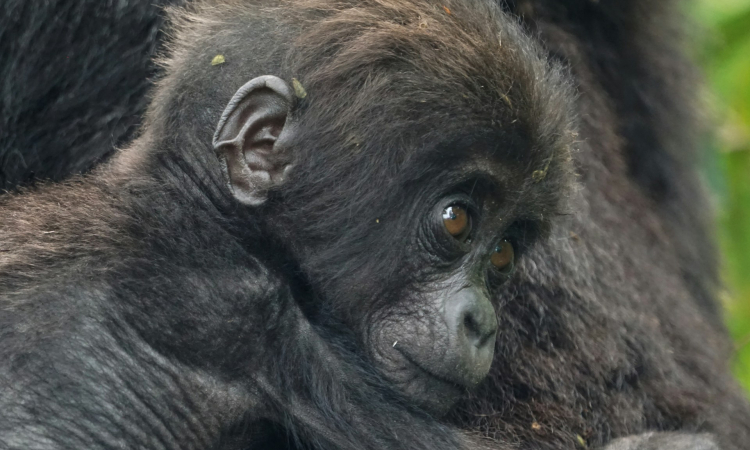
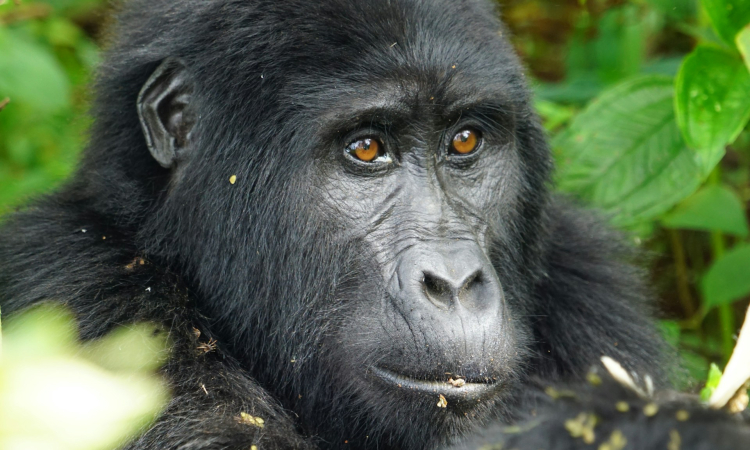
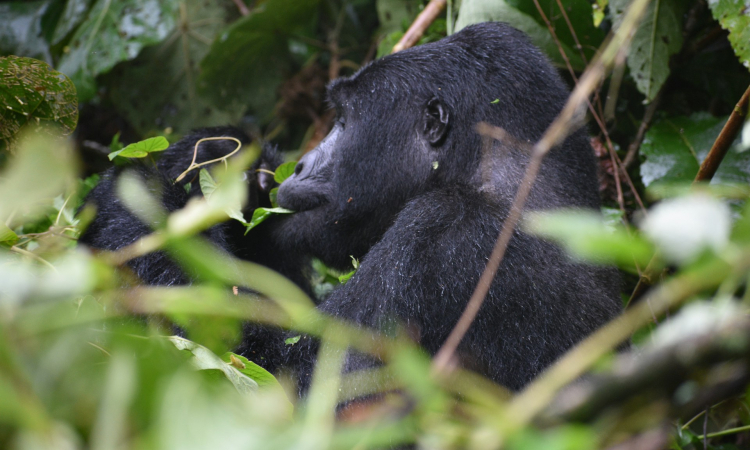
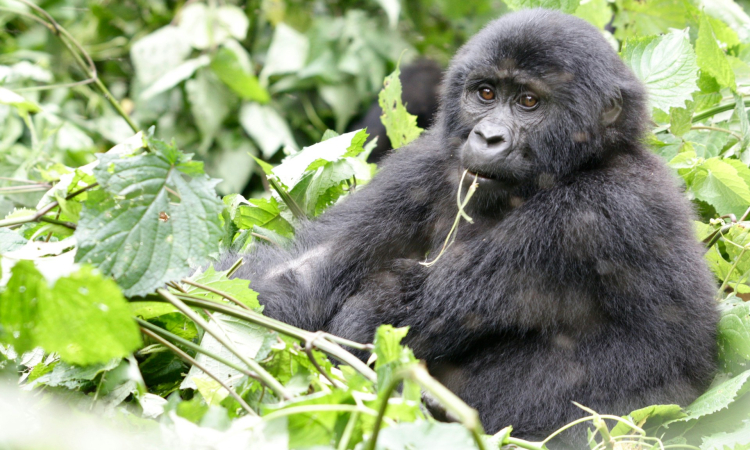
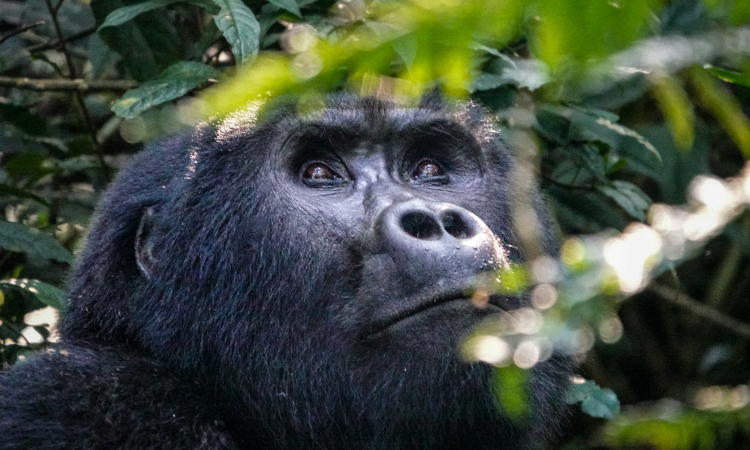
Gorilla trekking is the highlight of a visit to Virunga National Park. The park is home to about 300 mountain gorillas, and eight habituated families are open to visitors: Kabirizi, Rugendo, Humba, Nyakamwe, Munyanga, Bageni, Lulengo, and Mapuwa. Visitors are assigned a gorilla family during the morning briefing at Bukima Ranger Post.
A gorilla permit is required to trek, and in Virunga, it costs USD 450 per person. Permits are issued by the Virunga Tourism Office in Goma, and booking can be arranged through a licensed tour operator. Gorilla trekking offers visitors the rare chance to spend an hour observing these endangered apes in their natural forest home.
Hiking Nyiragongo Volcano
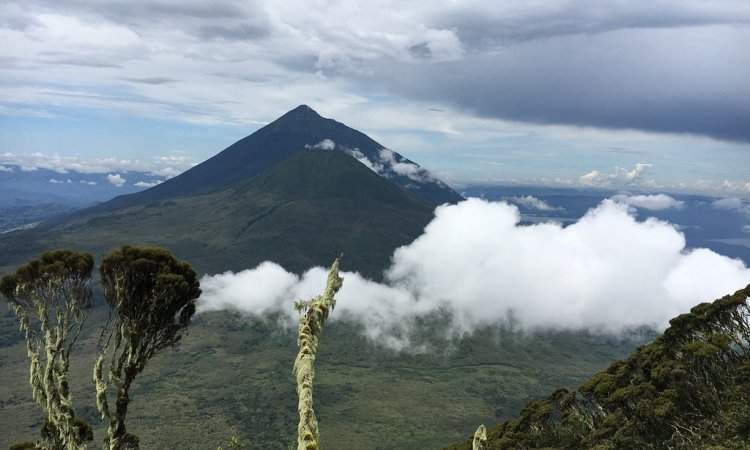
Besides gorilla trekking, Nyiragongo Volcano hiking is another exciting adventure in Virunga. Mount Nyiragongo is one of the most active volcanoes in the world and has erupted more than 40 times. It features a lava lake at its summit that glows beautifully at night. A Nyiragongo hiking permit costs USD 300, and the hike offers an unforgettable experience for nature and adventure lovers.
Park Location
Virunga National Park is located in eastern DRC along the Albertine Rift Valley. In the north, it extends into the Semliki River Basin and includes parts of the Albertine Rift’s savanna and montane forests. The park’s altitude ranges from 680 to 5,109 meters above sea level. The central sector covers two-thirds of Lake Edward and shares a border with Uganda to the east.
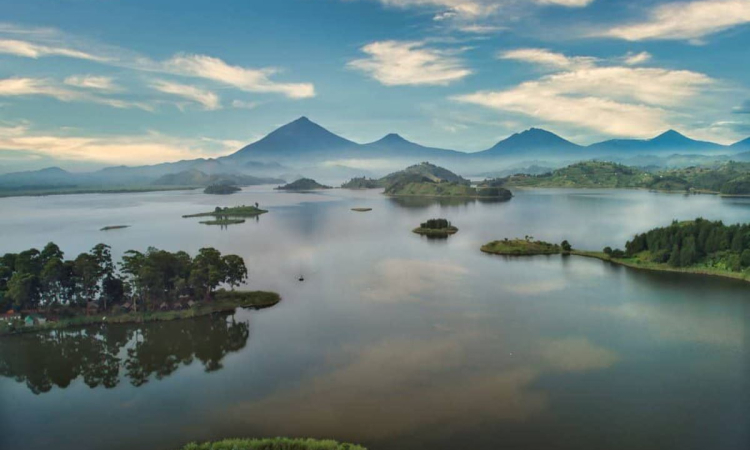
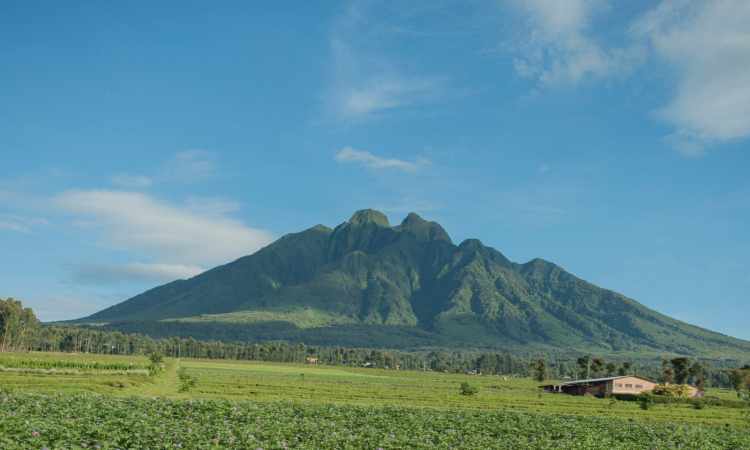
The southern sector stretches to the shores of Lake Kivu and covers part of the Virunga Volcanoes, including Nyiragongo, Nyamulagira, and Mikeno. Virunga’s northern section connects to Uganda’s Semuliki National Park and Rwenzori Mountains National Park, while its central area borders Queen Elizabeth National Park in Uganda. The southern section borders Volcanoes National Park in Rwanda.
History of Virunga National Park
Virunga was gazetted in 1925 as Albert National Park, making it the first national park in Africa. It was established to protect mountain gorillas that live in the Virunga Massif. Initially, the park covered only three volcanoes in the south but later expanded northwards to include the Rwindi Plains, Rwenzori Mountains, and Lake Edward.
After Congo gained independence in 1960, the park was renamed Virunga National Park in 1969. It became a UNESCO World Heritage Site in 1979. However, Virunga has faced many challenges from wars and political unrest in the Great Lakes region. During the 1994 Rwanda genocide, thousands of refugees settled near Lake Kivu, increasing human pressure on the park.
The Congo wars further disrupted conservation work, leading to poaching and the death of park rangers. In 1994 alone, about 850,000 refugees entered the park area, with many depending on its natural resources. Virunga was then listed as a World Heritage Site in Danger and later, in 1996, recognized as a Ramsar Wetland of International Importance.
In 2008, the Virunga Foundation partnered with the Congolese National Parks Authority to manage the park, leading to the creation of the Virunga Alliance, an initiative aimed at fighting poverty and ending illegal resource exploitation in the region.
Wildlife in Virunga National Park
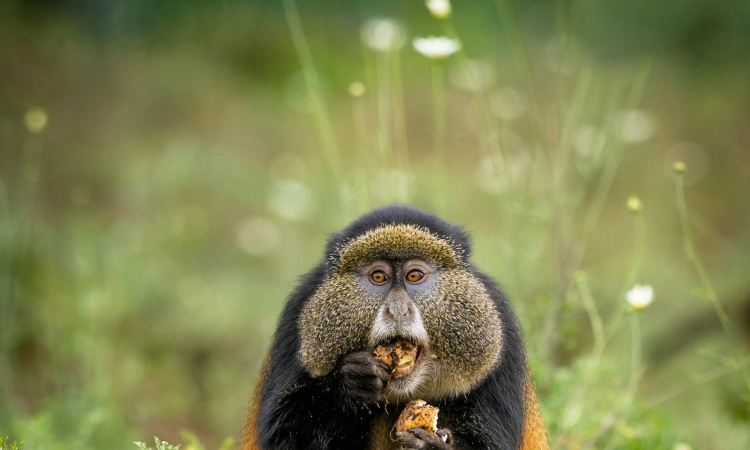
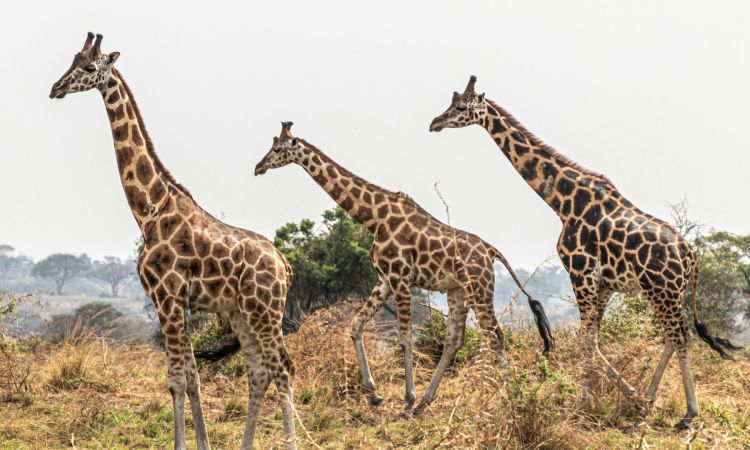
Virunga National Park is rich in wildlife, with 196 species of mammals, 109 reptiles, 702 birds, and 65 amphibians recorded. Animals found in the park include mountain gorillas, chimpanzees, blue monkeys, golden monkeys, Dent’s mona monkeys, red colobus monkeys, Hamlyn’s monkeys, baboons, buffaloes, elephants, hippos, okapis, forest hogs, duikers, waterbucks, and Uganda kobs. The Semliki River also hosts Nile crocodiles.
Birdlife in Virunga
With about 706 bird species, Virunga is one of the best birding destinations in Central Africa. The park shelters many Albertine Rift endemic birds such as the Rwenzori batis, Kivu ground thrush, Rwenzori turaco, Shelley’s crimson wing, Rwenzori double-collared sunbird, and handsome francolin. Other species include grey crowned cranes, African goshawks, black-billed turacos, mountain buzzards, harrier hawks, Narina trogons, and Wahlberg’s eagles. Birdwatchers can also see sunbirds, greenbuls, doves, robins, and flycatchers across the park’s forests and grasslands.
What to Pack for a Virunga Gorilla Trek
For a comfortable trekking experience, pack:
- Long-sleeved shirts and trousers
- Waterproof hiking boots
- Sweater and rain jacket
- Insect repellent
- Gardening gloves
- Camera (without flash)
- Energy snacks and water
- Daypack and first-aid kit
How to Access Virunga National Park
- By Road: Visitors can access Virunga through Gisenyi in Rwanda after landing at Kigali International Airport. From Gisenyi, drive to Bukima Ranger Post. Travelers coming from Uganda can drive from Entebbe Airport to Kisoro and cross into Congo via the Bunagana border. A valid Congo visa and a yellow fever vaccination card are required.
- By Water: Visitors can take a boat trip on Lake Kivu to Goma, then proceed to the park headquarters.
- By Air: There are also direct flights to Goma International Airport, which is the main gateway to Virunga National Park.
Best Time to Visit Virunga National Park
Virunga National Park is open all year round, but the best time for gorilla trekking and Nyiragongo hiking is during the dry seasons: from June to September and December to February. These months have clear skies and easier trekking conditions.
For bird-watching, the wet seasons from March to May and October to November are ideal because birds are more active and the park is greener.
Accommodation in Virunga National Park
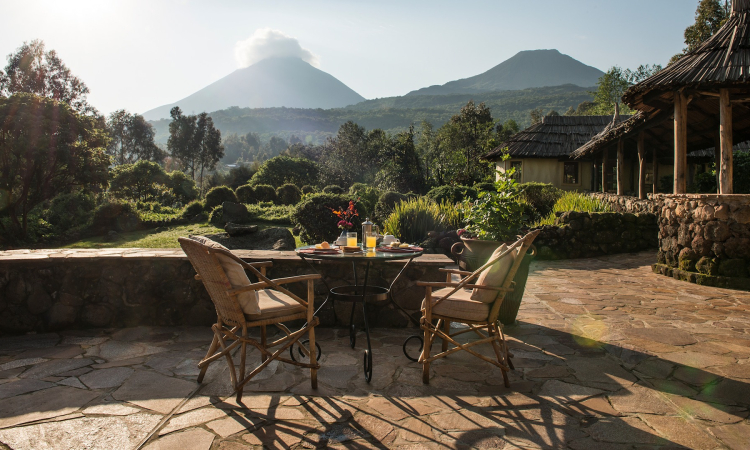
Accommodation options in and around Virunga range from budget to luxury. Popular choices include Mikeno Lodge, Bukima Tented Camp, Lulimbi Tented Camp, Tchegera Island Camp, Orchids Safari Club, and the Nyiragongo Volcano Summit Shelters. Each offers comfort and close access to the park’s main activities.