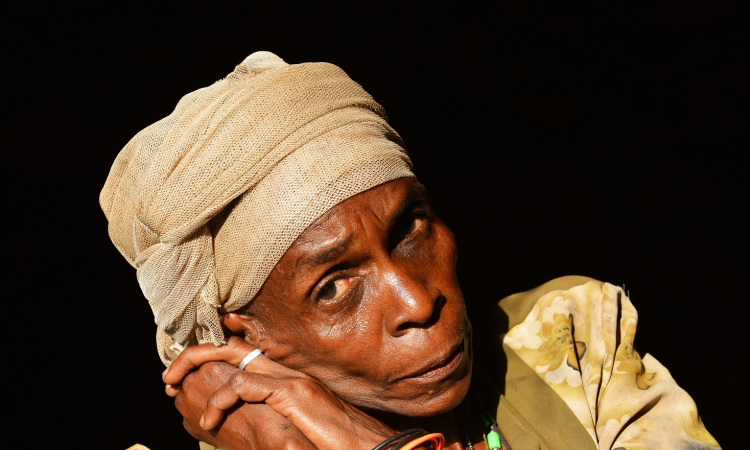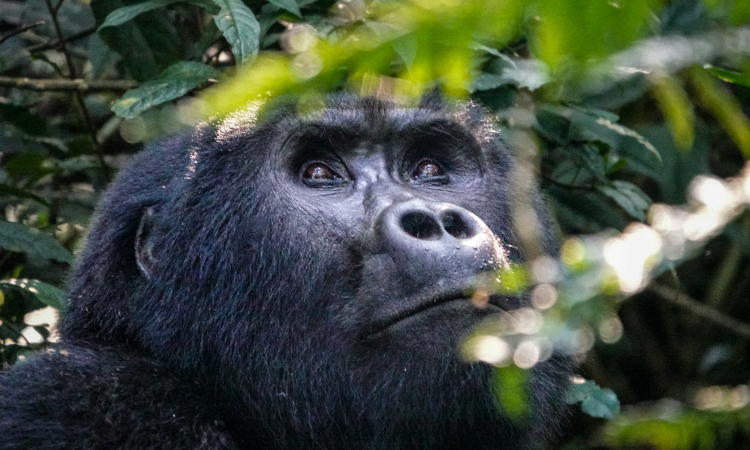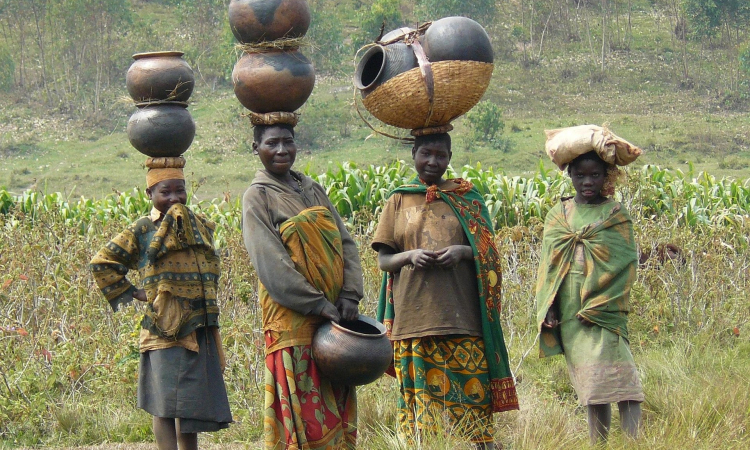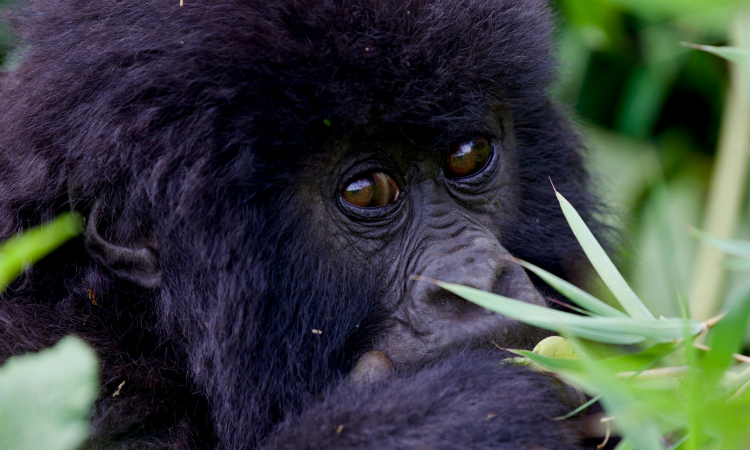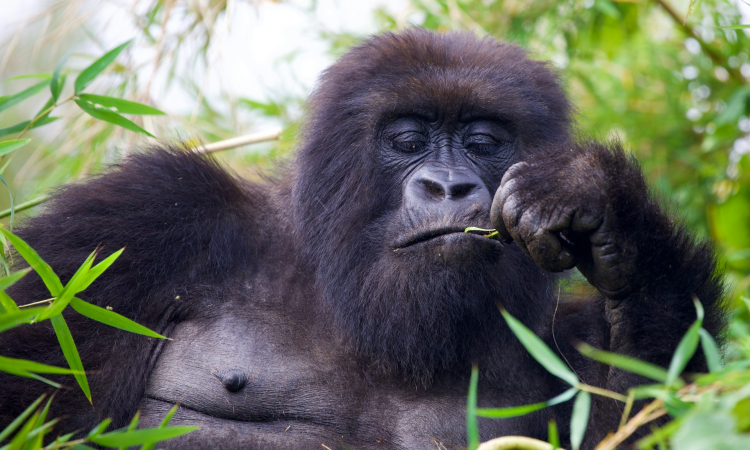
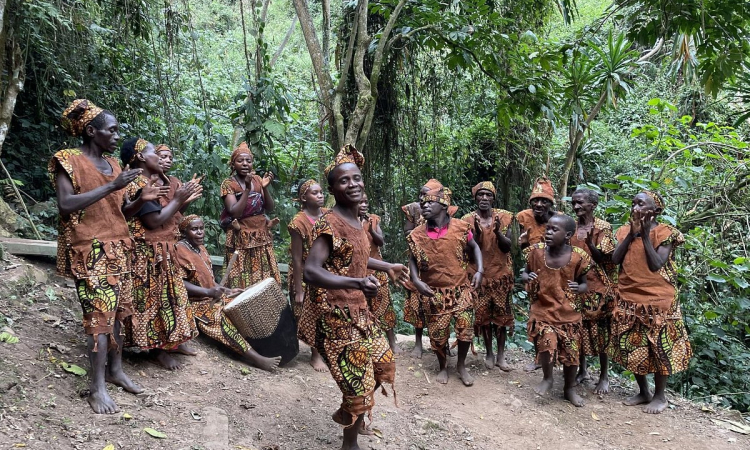
Searching for interesting facts about the Batwa? The Batwa people, also known as Abatwa or Twa, are the original inhabitants of Mgahinga and Bwindi Impenetrable National Parks before these areas were declared national parks. They lived in the forests as hunter-gatherers, using leaves and plants as herbal medicine. The Batwa lived peacefully with animals and even shared some of the same food sources as the mountain gorillas.
The Batwa built temporary shelters from tree branches and leaves, either on the ground or in trees. Their lives were deeply connected to the forest, which they considered sacred. They believed that their spirits lived in the forest and often performed rituals to honor them.
They are known for their short height, with men averaging about 5 feet 1 inch and women around 4 feet 9 inches. They are the shortest people in Uganda. The Batwa speak a language called Rutwa, although many also speak other local languages depending on where they live.
When Mgahinga National Park was gazetted, the Batwa were forced to leave the forest. They later settled in areas of Kabale and Kisoro, and their total population is now about 6,700 people.
After leaving the forest, the Batwa faced discrimination because their way of life was different from that of other communities. They found it difficult to adjust and interact with new groups of people in their new environment.
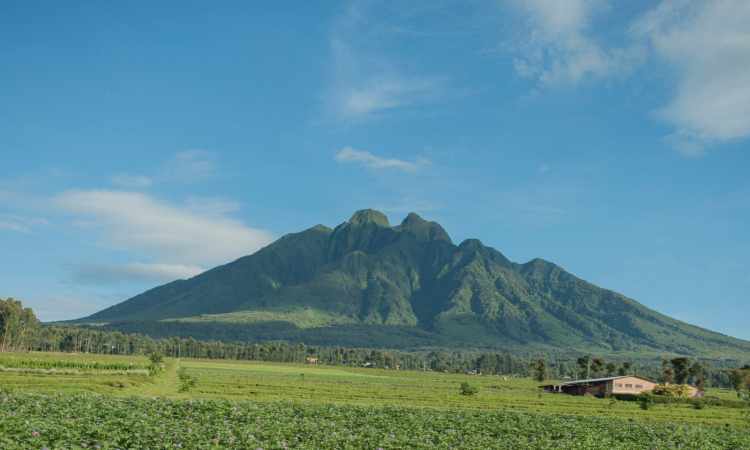
The Batwa are considered one of the oldest tribes in Africa. They are believed to have lived in the mountainous regions of Bwindi and Mgahinga for over 5,000 years.
They are known to be friendly and welcoming people. Through projects such as the Batwa Trail Experience and the International Gorilla Conservation Program, efforts have been made to improve their living conditions and preserve their culture.
After their displacement, the Batwa faced challenges such as lack of access to healthcare, education, and employment. Many struggled with poverty since they no longer had the forest to depend on for food and shelter.
They also lost their cultural identity, which was strongly tied to the forest. Without their ancestral land, they became homeless and disconnected from their traditions.
The Batwa were skilled hunters who used bows and arrows and gathered wild fruits and honey to survive. Their story is deeply linked to the forests of Bwindi and Mgahinga and remains one of the most fascinating cultural histories in Uganda.