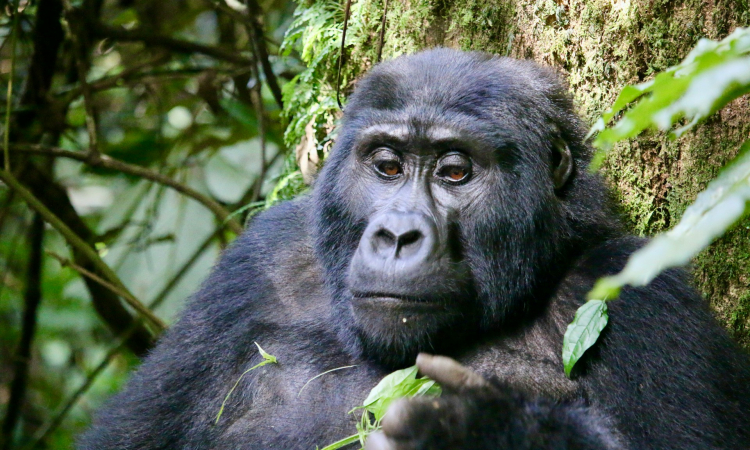
A Gorilla Trekking Certificate is a document given to visitors who successfully complete a gorilla trekking adventure in any of the gorilla national parks. This certificate shows the destination where you trekked, the date of your trek, and the gorilla group you visited. It serves as a special souvenir to remember this once-in-a-lifetime experience in the jungle.
Before trekking, every participant must present a valid gorilla trekking permit at the park headquarters. This permit allows entry into the forest to search for the endangered mountain gorillas.
However, owning a permit does not guarantee completing the trek. Only visitors who endure the challenging hike and finally meet the gorillas receive the Gorilla Trekking Certificate as a reward for their effort and commitment.
Is Gorilla Trekking Difficult?
Gorilla trekking is not as simple as other safari activities like game drives or guided nature walks. It involves hiking through steep and sometimes slippery mountain slopes to find your assigned gorilla family. Trekkers need a reasonable level of fitness.
Elderly visitors or those with limited mobility can also take part in gorilla trekking. Sedan chairs carried by porters make it possible for them to reach the gorillas safely and receive their certificates at the end of the experience.
Who Issues the Gorilla Trekking Certificate?
In Uganda, gorilla trekking certificates are issued by the Uganda Wildlife Authority (UWA), the government body responsible for managing all national parks and wildlife reserves. UWA also issues the gorilla trekking permits for Bwindi Impenetrable and Mgahinga Gorilla National Parks.
In Rwanda, certificates are issued by the Rwanda Development Board (RDB) after completing a successful trek in Volcanoes National Park. RDB is responsible for tourism and other government programs in the country.
In the Democratic Republic of Congo, the certificates are issued by the Institut Congolais pour la Conservation de la Nature (ICCN) after trekking in Virunga National Park.
About Mountain Gorillas
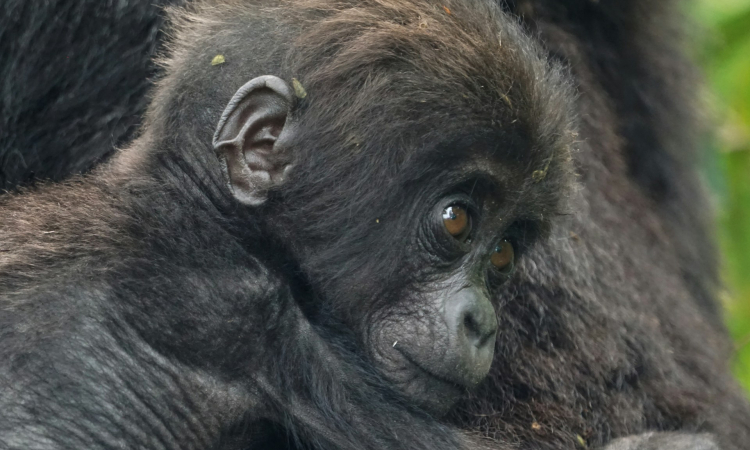
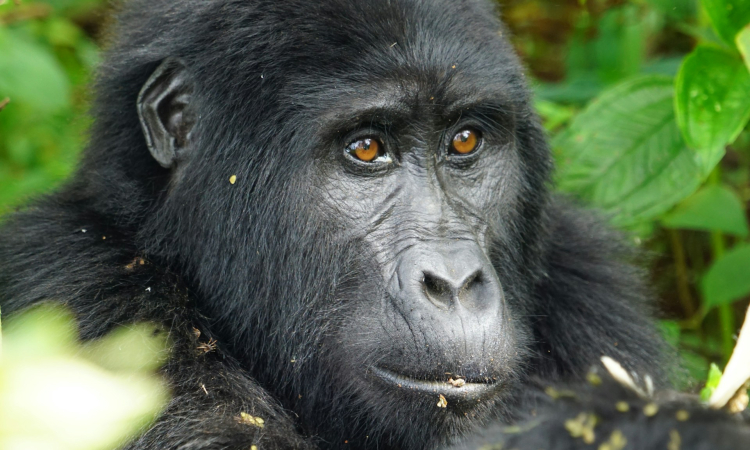
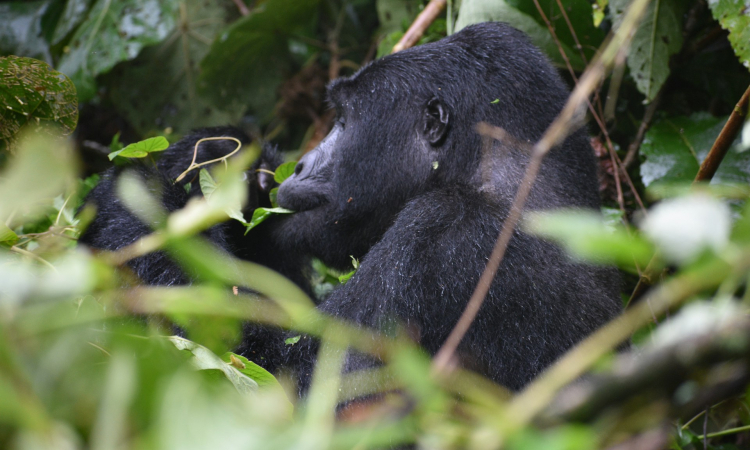
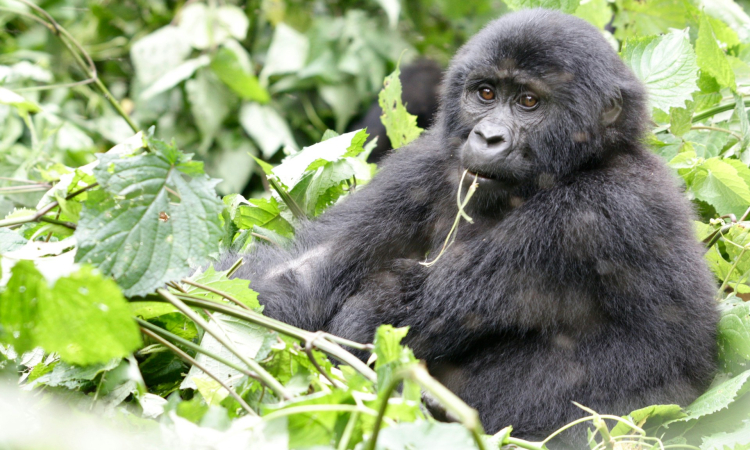
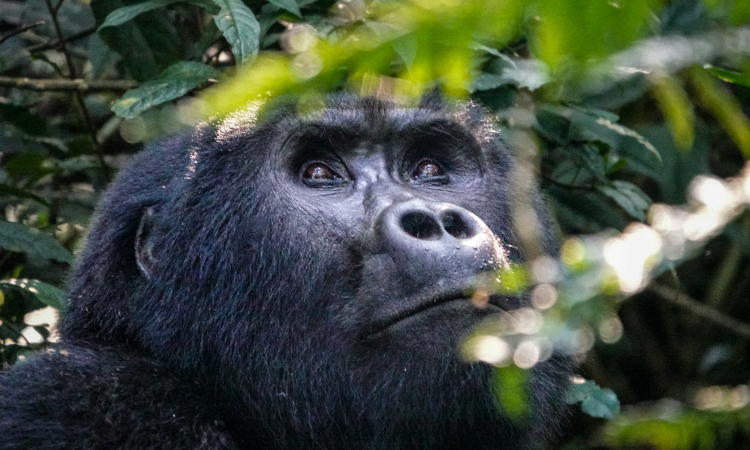
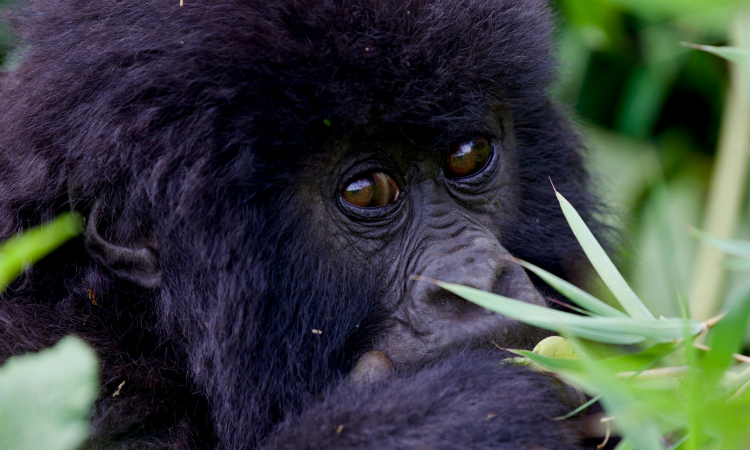
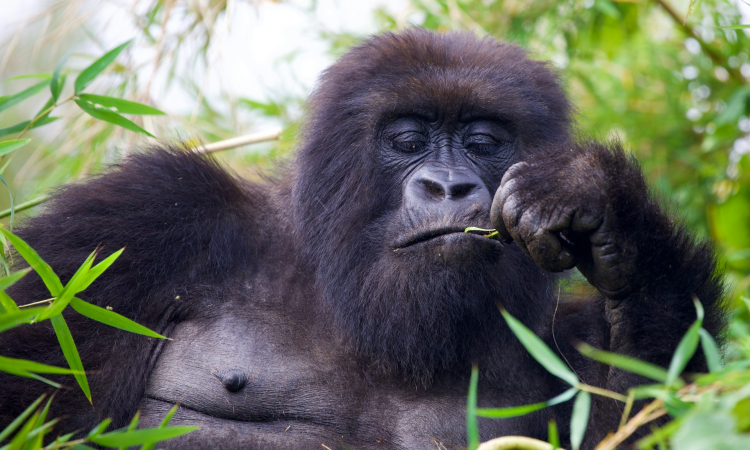
The endangered mountain gorillas (Gorilla beringei beringei) are close relatives to humans, sharing about 98.2% of our DNA. They are one of the main reasons thousands of tourists travel to Uganda, Rwanda, and the Democratic Republic of Congo each year.
Mountain gorillas have thick, dark fur that helps them stay warm in the cold and misty mountain forests where they live. They are herbivores, and about 70% of their diet consists of bamboo shoots, leaves, fruits, stems, and seeds. Sometimes, they eat termites, ants, and other small insects.
Best Time for Gorilla Trekking
Gorilla trekking in Uganda, Rwanda, and Congo follows similar weather patterns. The dry seasons: from June to September and December to February, are the best times to trek. During these months, forest trails are drier and less slippery, making trekking easier and more comfortable.
What to Pack for a Gorilla Trekking Tour
Since gorillas live in dense tropical rainforests that can receive rain even during the dry season, packing the right gear is important. Here is a recommended list:
- Sturdy hiking shoes
- Wide-brim hat
- Gardening gloves
- Long-sleeved shirts and khaki pants
- Warm clothing
- Rain jacket
- Waterproof backpack
- Sunglasses
- Insect repellent
- Sunscreen
- Water bottle
- Energy snacks
- Binoculars
- Toiletries (toothbrush, toothpaste, deodorant, bathing gel, etc.)
- First-aid kit
The Gorilla Trekking Certificate is more than just a document. It is a symbol of achievement, reminding you of your successful adventure with the endangered mountain gorillas in their natural home.
Earning this certificate means you played a role in wildlife conservation and experienced one of the most memorable activities in Africa.