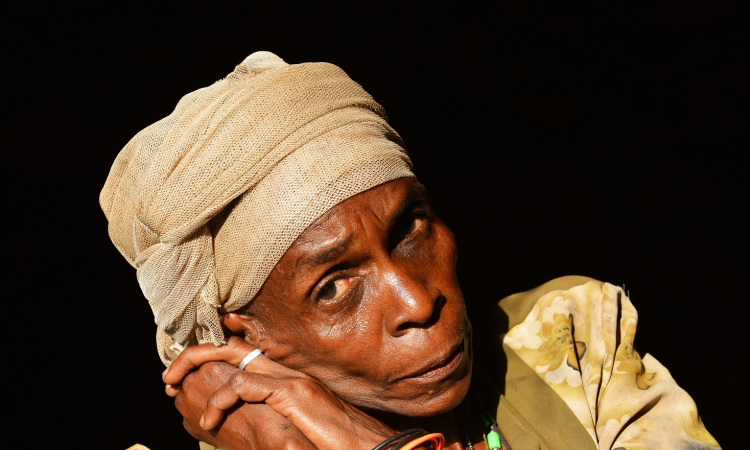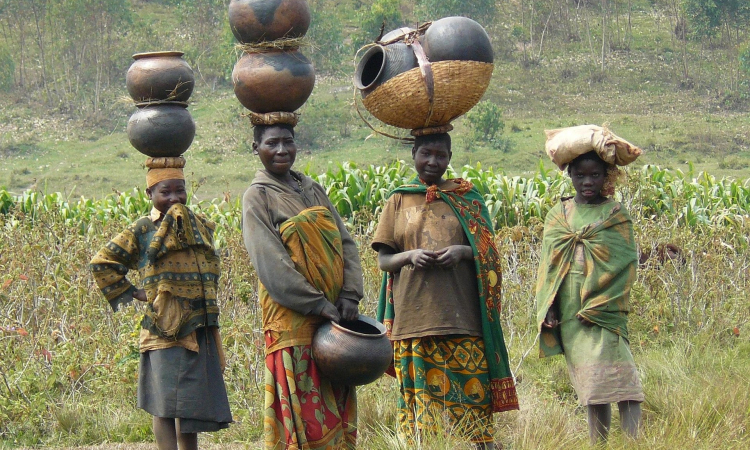
Before 1930, Mgahinga was home to the Batwa people, who lived as hunter-gatherers. The forest was their home and source of livelihood. The Batwa understood the forest deeply, knowing every plant and animal that lived in it. Today, visitors can meet them and see how much knowledge they still hold about the park’s biodiversity and ecosystem.
In 1930, the British colonial administration gazetted the area as a game sanctuary. Later, between 1989 and 1990, a survey was carried out among nearby communities to assess their views on upgrading the sanctuary to a national park. The response was positive. Poaching tools were destroyed, rangers were trained, and tree planting began.
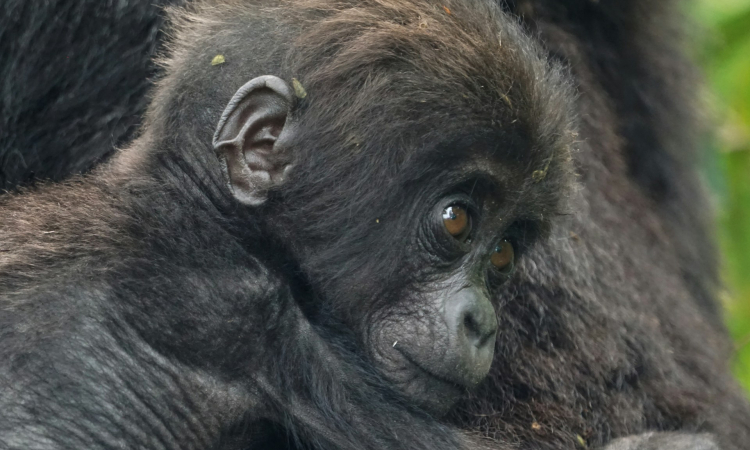
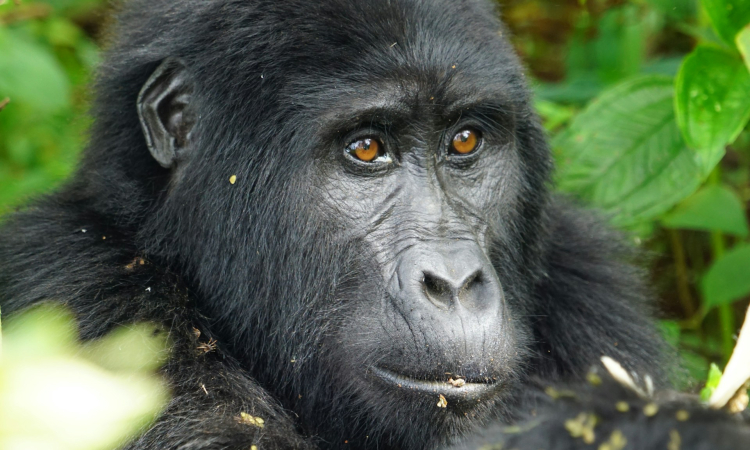
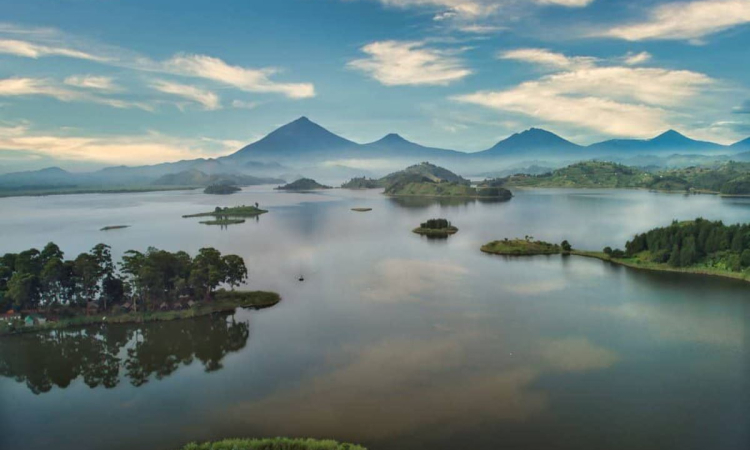
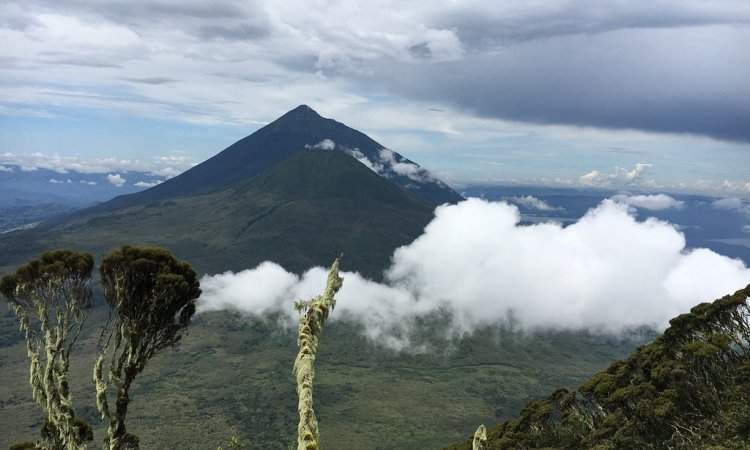
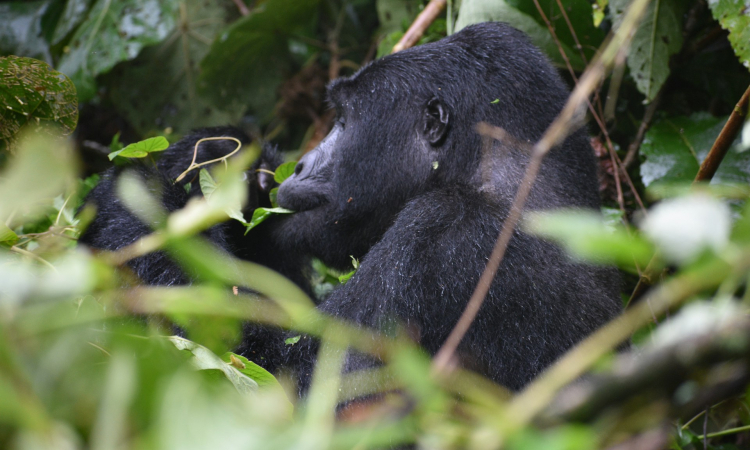
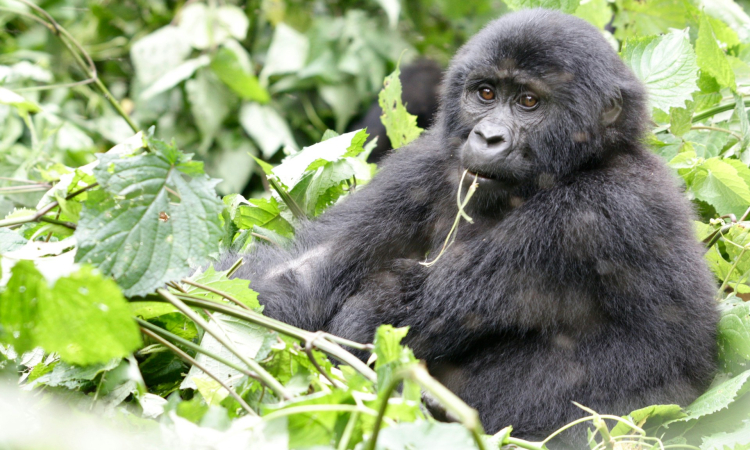
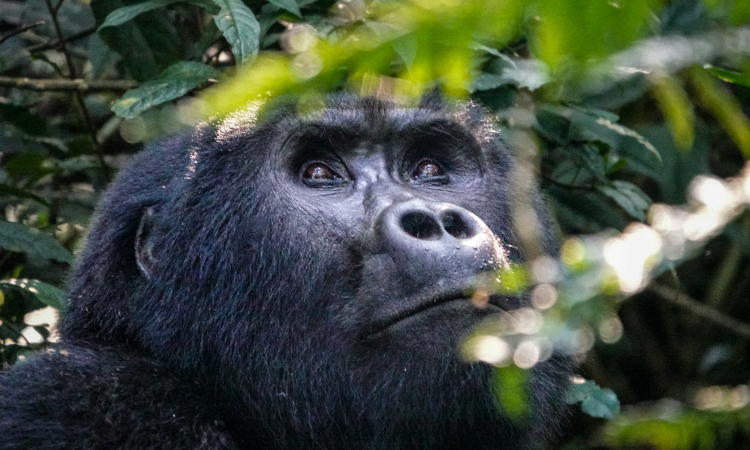
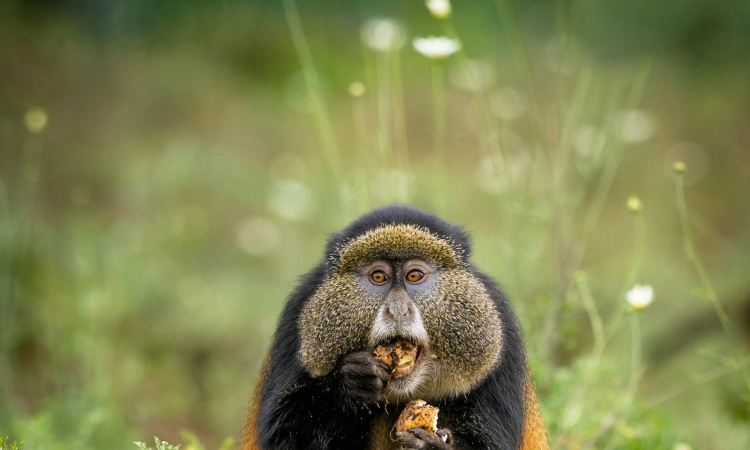
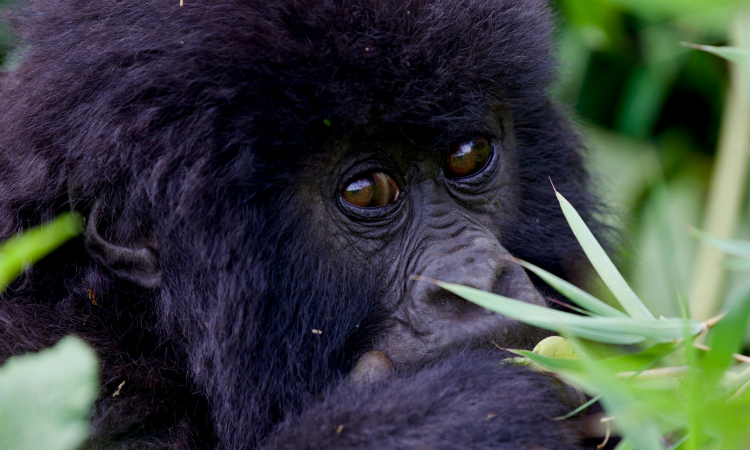
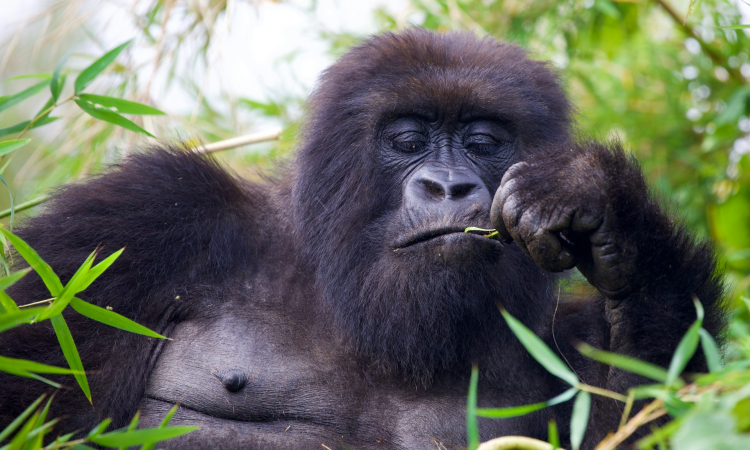
In May 1991, the government of Uganda officially declared Mgahinga a national park to protect endangered mountain gorillas, golden monkeys, and other wildlife. Mgahinga Forest and the Gorilla Game Reserve were combined to form Mgahinga Gorilla National Park, covering about 34 square kilometers.
In 1992, people who lived within the park were relocated and compensated according to the size of their land and livestock. Around 221 farms were moved to public land in the lower valleys. After relocation, the natural vegetation started to recover, attracting back the animals that depended on the forest.
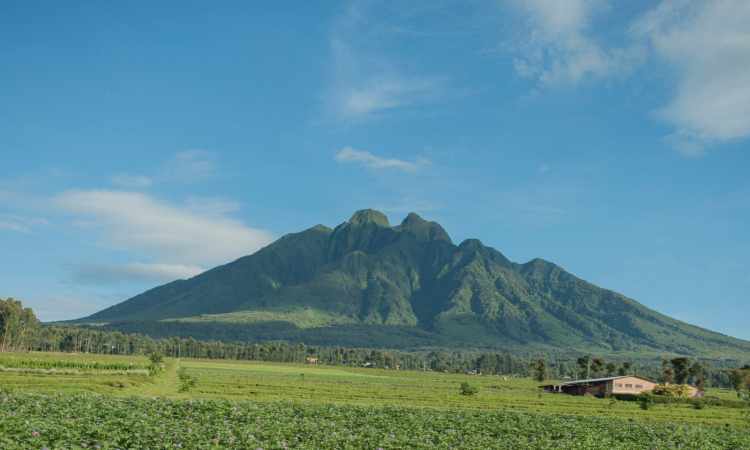
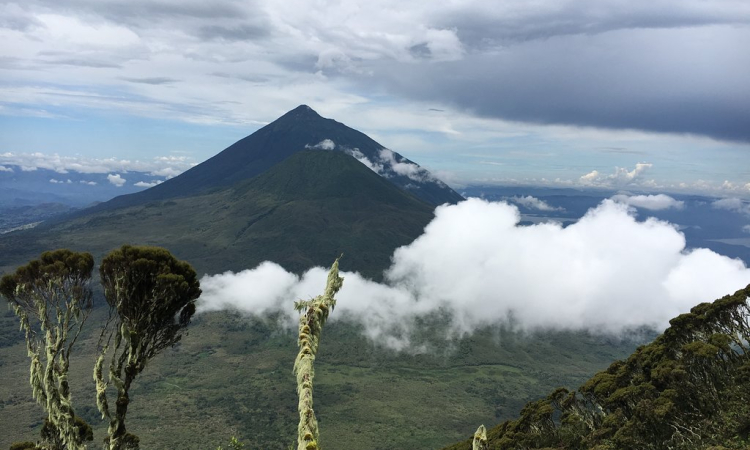
By 1993, infrastructure development had begun, and a hedge of Erythrina plants was planted around the park’s borders. Eco-tourism activities such as nature walks, cave visits, and mountain viewing were introduced. In 1994, gorilla trekking began, allowing visitors to see the Nyakagezi gorilla family.
At first, only two tourists per day were allowed to visit the gorillas, which often crossed between Uganda and Congo’s Virunga Conservation Area. Later, the number was increased to four, and then six visitors per day, each spending one hour with the gorillas.
The Batwa remain an important part of Mgahinga’s story. Visitors can meet Batwa guides, learn about their traditions, and understand how they once lived in harmony with the forest.
Mgahinga Gorilla National Park has a long and meaningful history. Its creation marked an important step in protecting endangered primates and restoring a natural ecosystem that continues to attract travelers from around the world.