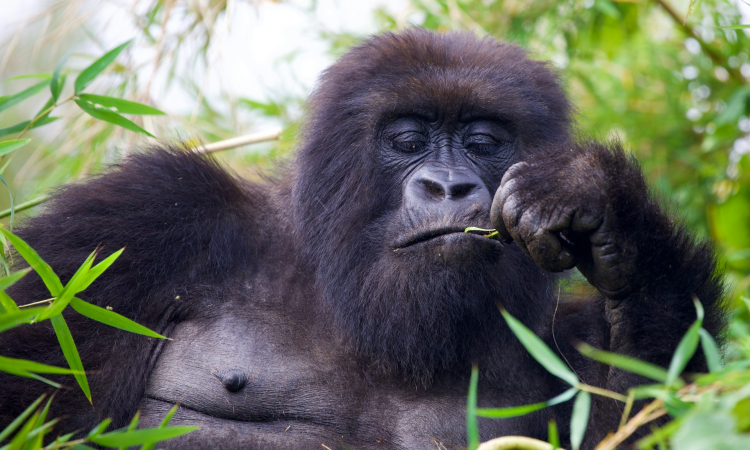
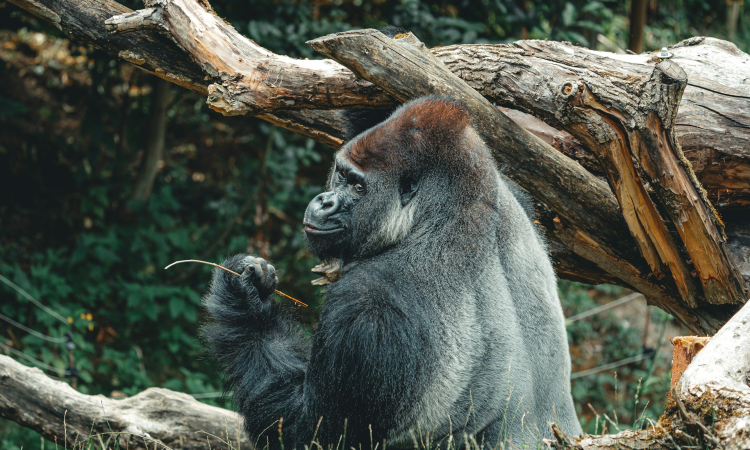
The Western gorilla is one of the two species of the genus Gorilla and is the most common of all gorilla species. This species is divided into two subspecies: the Western lowland gorilla (Gorilla gorilla gorilla), with over 100,000 individuals, and the Cross River gorilla (Gorilla gorilla diehli), with only about 250 to 300 individuals remaining.
Physical Description
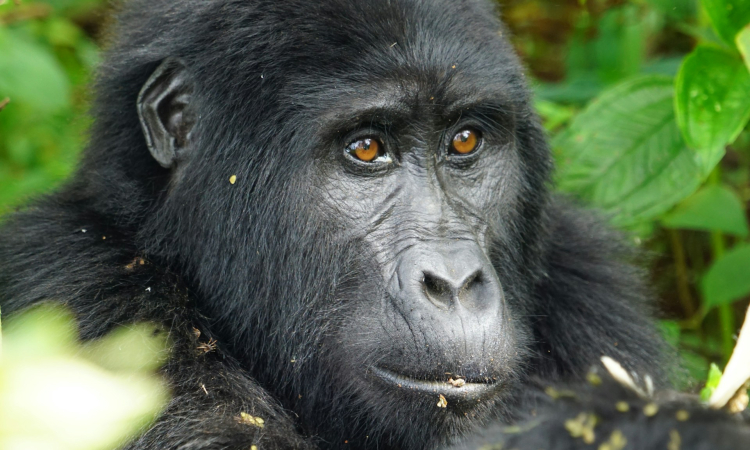
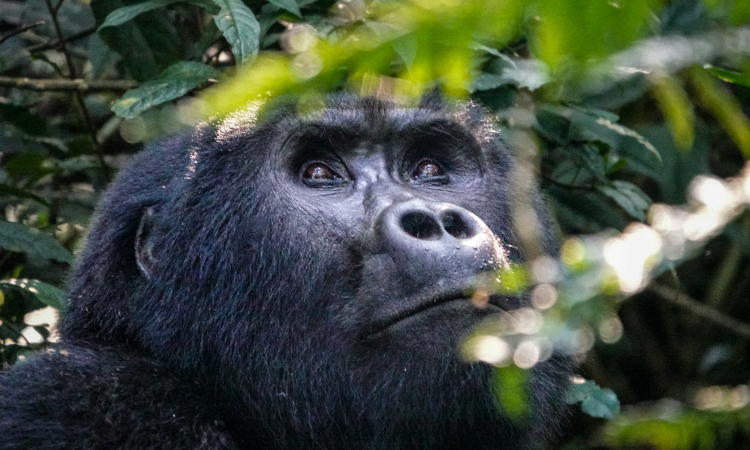
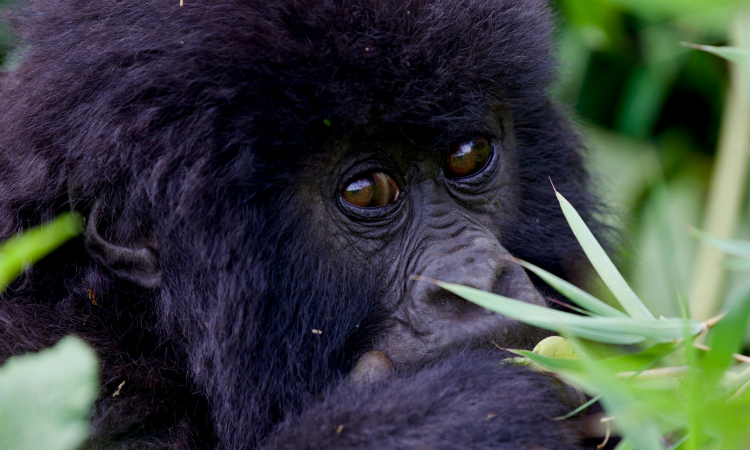
Western gorillas have lighter coloring than Eastern gorillas, with fur that ranges from black and dark grey to dark brown-grey, and they often have brownish foreheads.
Adult males stand between 1.67 and 1.76 meters tall and weigh about 146 kilograms in the wild. Females weigh between 58 and 72 kilograms, while captive gorillas are heavier, about 157 kilograms for males and 80 kilograms for females.
Western gorillas usually live in family groups of 2 to 20 individuals. Each group is led by a dominant silverback, assisted by other males (called blackbacks), several adult females, and their young. The silverback is responsible for leading the group, protecting it, and deciding where to move or feed. When younger males mature, they often leave the group, while females move to other groups before breeding, usually between the ages of 8 and 9 years.
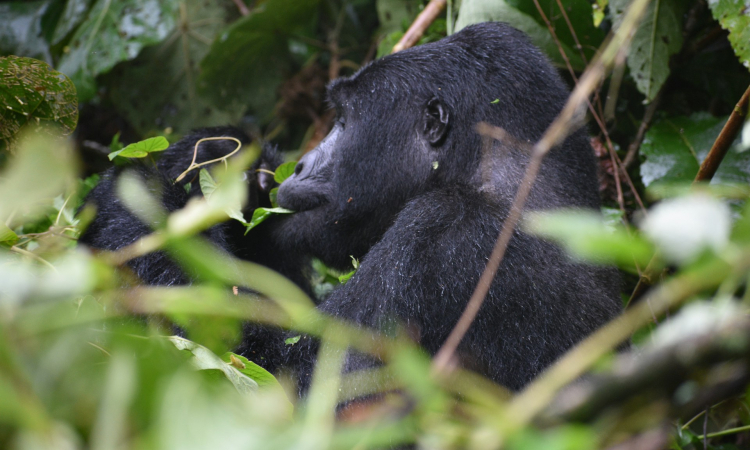
Their diet is rich in fiber, including leaves, stems, bark, fruits, flowers, banana pith, and invertebrates, and sometimes even soil. The type of food eaten depends on the season and availability in the area.
Western Lowland Gorillas
The Western lowland gorilla (Gorilla gorilla gorilla) is the smallest but most widespread of the four gorilla subspecies, which also include mountain gorillas, Eastern lowland gorillas, and Cross River gorillas. Like the Cross River gorillas, they are endangered and face threats from hunting and habitat loss.
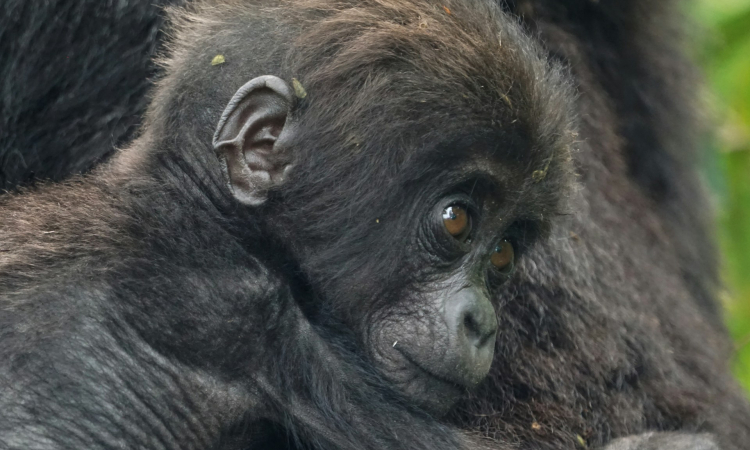
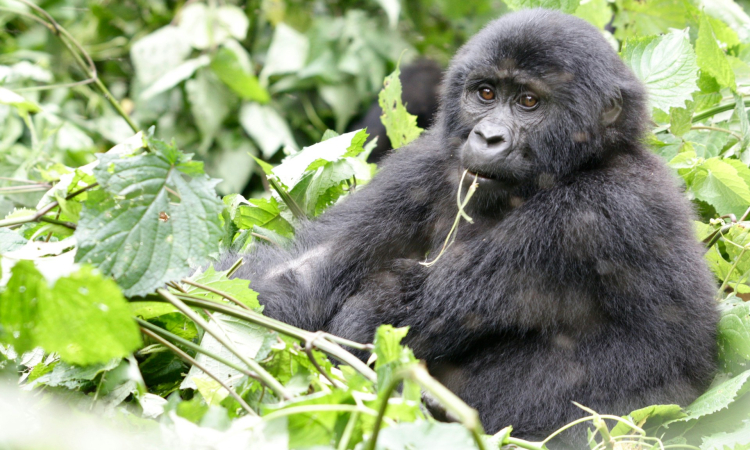
Western lowland gorillas are recognized by their short black-brown hair, prominent brow ridges, and long arms. Infants have a patch of white hair on their lower backs, which disappears as they mature, while adults develop silver hair on their backs, giving males their name “silverbacks.”
Habitat and Range
Western lowland gorillas live in the rainforests of Central and West Africa, including Equatorial Guinea, Angola, Gabon, Cameroon, the Republic of Congo (Congo-Brazzaville), the Central African Republic, and the Democratic Republic of Congo.
They prefer dense tropical forests where food is abundant. Their diet includes fruits, roots, bark, leaves, shoots, and wild celery.
These gorillas are terrestrial and live in groups of up to 30 members, led by a dominant silverback. The silverback guides the group in feeding, nesting, and movement.
Western lowland gorillas are generally quiet and peaceful, though they communicate using barks, hoots, and screams to express different emotions. They are also the most common subspecies found in captivity.
Cross River Gorillas
The Cross River gorilla (Gorilla gorilla diehli) is the rarest of all gorilla subspecies, with only 250 to 300 individuals remaining in the wild. They live in the forest-covered hills and mountains along the border between Nigeria and Cameroon, particularly around the Cross River region.
Their populations are found in Boshi Extension, Mbe Mountains, Okwangwo, Afi River Forest Reserves, Mbulu Forest, Takamanda, and Mone River Forest Reserves in Cameroon and Nigeria.
These gorillas are separated from the nearest population of Western lowland gorillas by about 300 kilometers, making them highly isolated. Due to this isolation, they are considered the rarest great apes in the world.
Compared to Western lowland gorillas, Cross River gorillas have shorter skulls, smaller palates, and narrower cranial vaults, though they are slightly larger in size. They prefer remote, forested mountain areas with little human activity. Because their habitat is limited, they require large areas of forest to find enough food and shelter.
Unlike the Western lowland gorillas, which live in large groups, Cross River gorillas live in small groups of 4 to 7 members, usually led by one or two males and a few females.
Cross River gorillas are listed as critically endangered on the IUCN Red List. They are poorly studied because they live in rough terrain and remote areas, making research and conservation efforts difficult. In the past, they lived in lowland forests, but due to habitat destruction, they have moved to higher mountain regions.
The Western gorilla is an incredible species that plays an important role in Africa’s forest ecosystems. Both the Western lowland gorilla and the Cross River gorilla face serious threats from habitat loss, hunting, and disease. Conservation programs across Central and West Africa are working hard to protect these endangered great apes and their natural habitats.