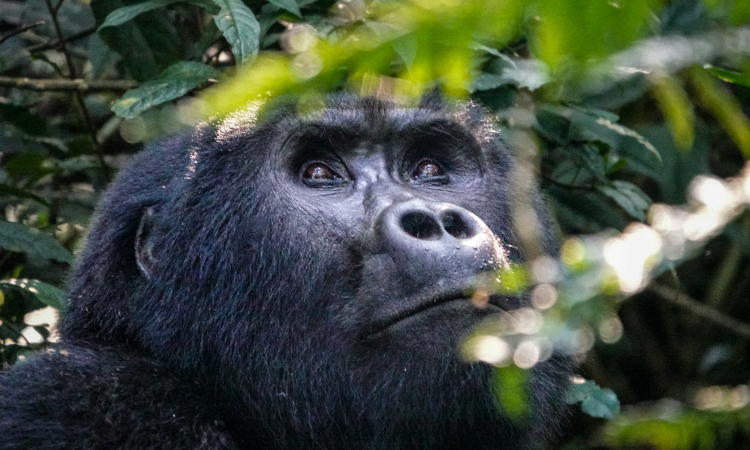
The gorilla family allocation process is an important part of mountain gorilla trekking and plays a big role in shaping the tourist experience. After securing a trekking permit, visitors must arrive at the park headquarters by 7:00 AM.
Here, trekkers present their permits and passports for verification. This begins the allocation stage, which is important for both visitor enjoyment and the protection of the endangered mountain gorillas.
The allocation process is not random. It is based on fresh information collected early in the morning. Trained trackers enter the forest at dawn to locate fully habituated gorilla families. Since gorillas move every day in search of food and new nesting places, their positions change often.
Trackers send updates to park authorities by radio. This helps staff decide which gorilla family to assign to each group of tourists based on distance and terrain. Some gorilla families may be close to the starting point, requiring an easy one hour walk, while others may involve longer and more tiring treks of six hours or more.
Age and physical fitness play a big role in the allocation. Park staff group trekkers according to fitness levels. They may check age from passports and ask tourists for honest information about their physical condition. Older visitors or people with mobility challenges are usually assigned to nearby gorilla families with easier hikes. Younger and stronger trekkers may be allocated to families that require longer and more active walks.
Protecting the gorillas is also very important. Only eight tourists can visit one habituated gorilla family each day. This limit reduces pressure on the gorillas and the forest environment. For the process to be safe and smooth, visitors must be open about their fitness levels during the briefing. The goal is to keep everyone safe, make the trek enjoyable, and protect the gorillas.
In short, the gorilla family allocation process in Uganda is a well planned daily routine that is key to the trekking experience. Tourists can choose their trekking sector, but they cannot choose a specific gorilla family.
The assignment depends on gorilla locations and the staff’s judgment of each group’s physical ability. This system supports conservation, makes logistics easier, and adds a sense of surprise to the adventure, helping ensure a safe and memorable encounter with mountain gorillas.