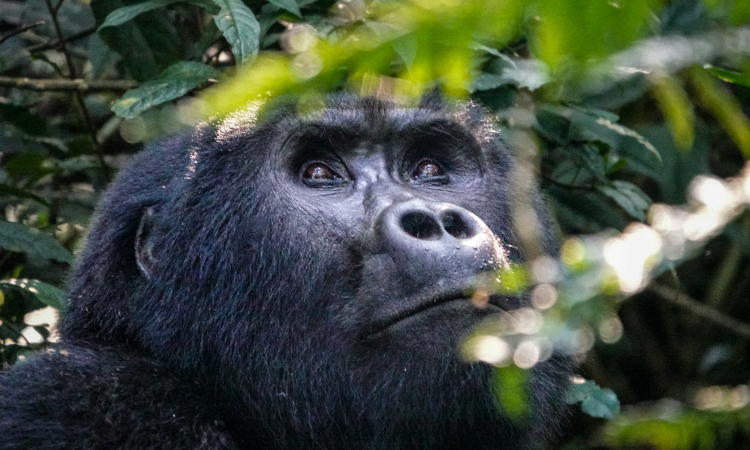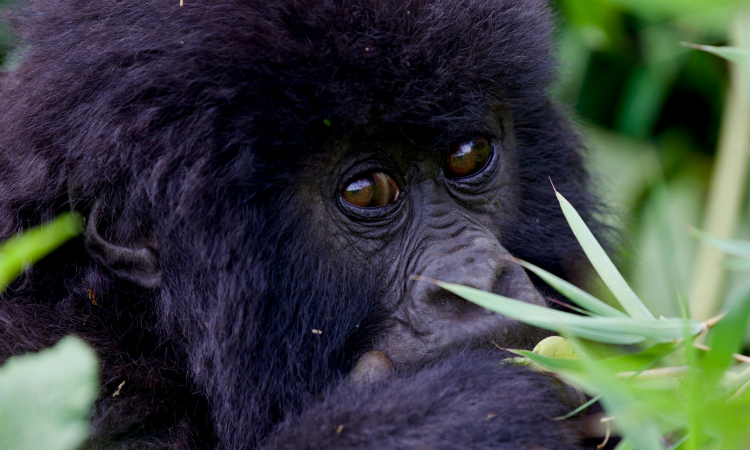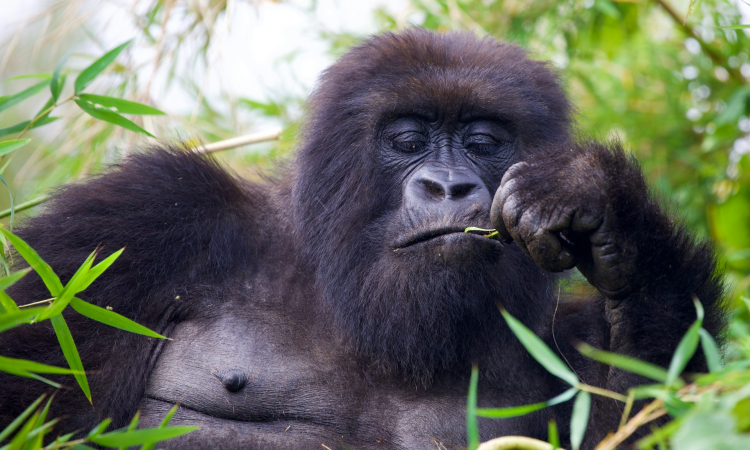
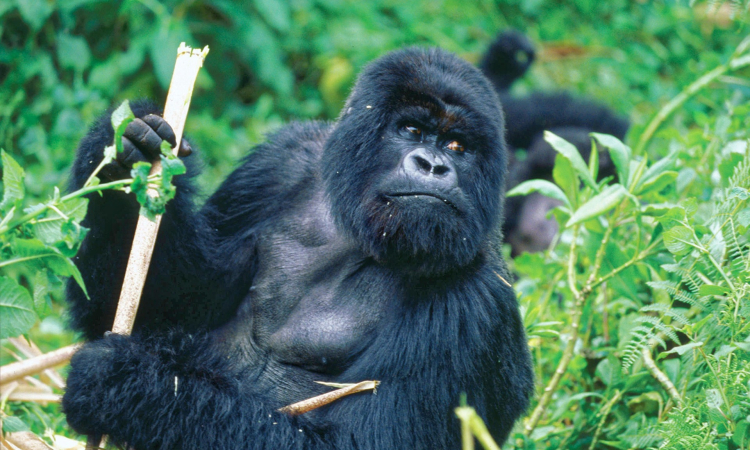
As a tourist preparing for a gorilla trekking experience, it is important to know that the mountain gorilla census results show a major success in conservation. The latest census, finished in 2019 using data from 2018, recorded a global population of at least 1,063 mountain gorillas. This is a big increase from only 242 in the early 1980s. The steady rise in numbers shows real progress for a species that was once close to extinction. This recovery is because of strong conservation work in Uganda, Rwanda, and the Democratic Republic of Congo, with help from international partners.
The International Union for Conservation of Nature changed the mountain gorilla’s status from Critically Endangered to Endangered. This means that although threats remain, the risk of sudden extinction is now lower. This should comfort visitors and help them understand why trekking permits are important for conservation.
Mountain gorillas live in two separate and isolated populations. Because of this, each population is counted separately. These surveys need close cooperation between Uganda, Rwanda, and the Democratic Republic of Congo. The largest group lives in the Virunga Massif, which covers parts of all three countries. The most recent survey in this area recorded about 604 gorillas.
The second population lives in the Bwindi Sarambwe ecosystem, which includes Uganda’s Bwindi Impenetrable National Park and the Sarambwe Nature Reserve in the DRC. The 2018 census counted at least 459 gorillas in this region, showing clear growth from the 400 recorded in 2011. This improvement is important because the two populations are not connected by one continuous forest. Each group must stay healthy for the species to continue surviving.
The census uses a careful method. Teams conduct two sweeps of the forest and use non invasive genetic sampling from gorilla nests. This helps avoid counting the same gorilla twice. These scientific steps are important for planning proper conservation actions.
For tourists, the census results show how meaningful your visit is. Money from trekking permits supports gorilla protection, daily anti poaching patrols, community programs, and veterinary care through groups like Gorilla Doctors. As you walk through the misty forest, remember that your visit and financial support play a direct role in helping mountain gorillas continue to grow in number.