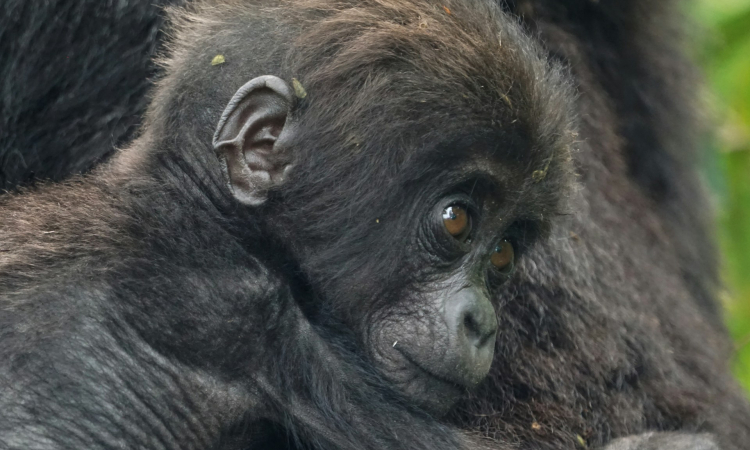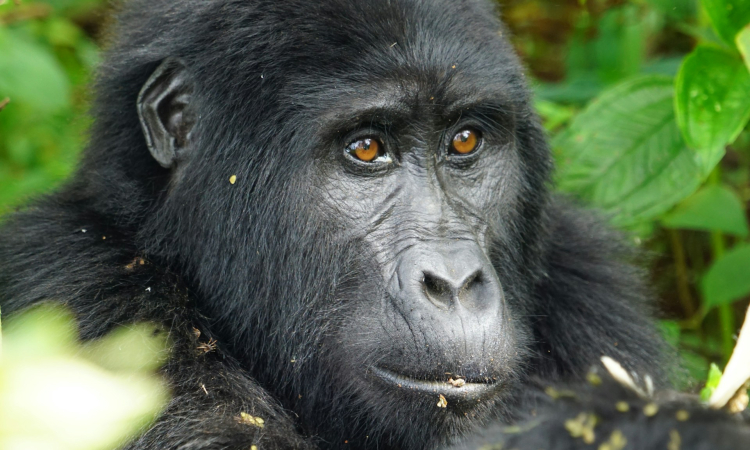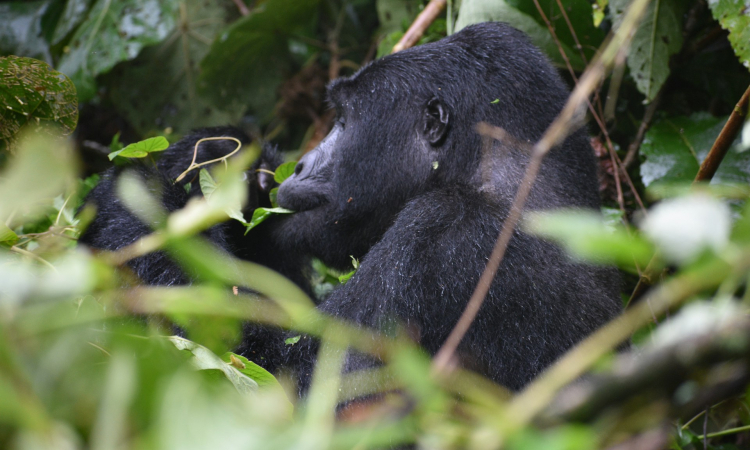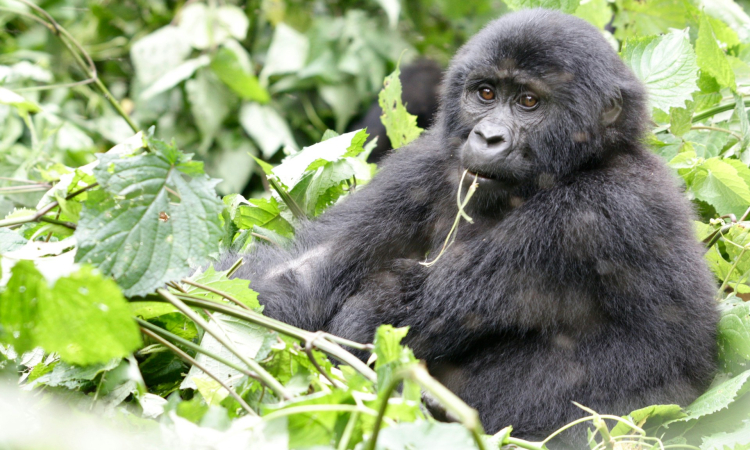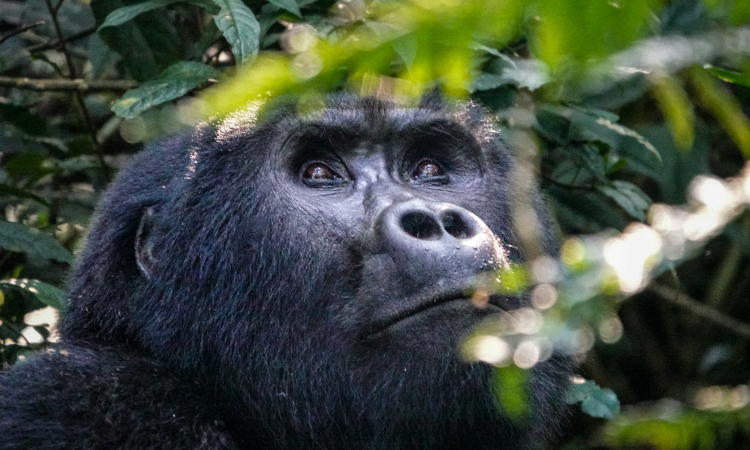
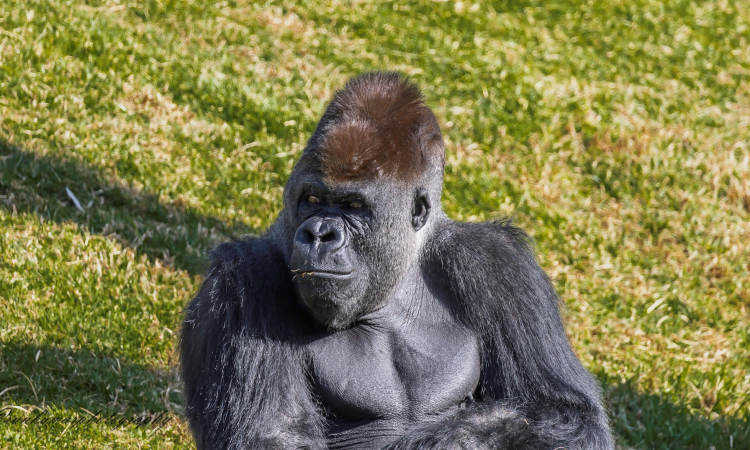
The Western lowland gorilla is a subspecies of the Western gorilla, together with the Cross River gorilla. These gorillas live in the rainforests of western and central Africa, mainly in Equatorial Guinea, Angola, Cameroon, the Democratic Republic of Congo, Gabon, and the Central African Republic.
It is estimated that there are about 95,000 Western lowland gorillas in the world, making them the most numerous but still endangered among the four gorilla subspecies.
Behavior and Social Structure
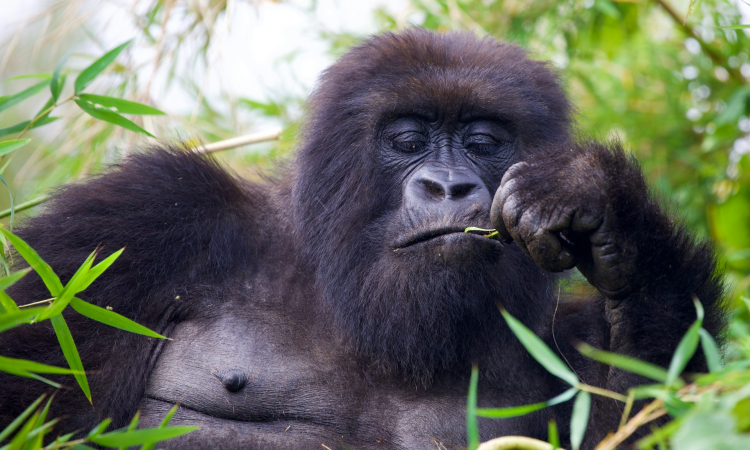
Adult male gorillas are called silverbacks, and they lead family groups known as troops, which usually have between 5 and 30 members. The average weight of a silverback is about 140 kg, though some can reach up to 240 kg, while females weigh up to 90 kg. These gorillas live at altitudes between 1,600 and 5,200 meters above sea level.
Like other gorilla species, Western lowland gorillas sometimes split from the main family group to form new ones. This usually happens when a younger male, known as a blackback, challenges the leading silverback. When such rivalries occur, some females join the new group. The main role of the silverback is to lead the troop, organize feeding, make nesting arrangements, and protect the group from danger.
Habitat and Lifestyle
Western lowland gorillas prefer thick, tall rainforests where they spend most of their time on the ground. At night, they build nests in trees to sleep in, although they sometimes make ground nests as well. Nesting takes place in the evening, and females and young ones usually sleep in the trees, while the silverback rests at the base of the tree to protect the group.
Diet
Western lowland gorillas are herbivores, mainly feeding on leaves, fruits, roots, seeds, and stems. They love fruits the most, although they are seasonal. Occasionally, they eat insects like termites and ants to add protein to their diet. Because of their feeding habits, these gorillas are often seen climbing large trees that can support their weight while searching for fruit.
Reproduction
Female Western lowland gorillas reach sexual maturity at about 8 to 9 years old and give birth after a pregnancy of around 9 months. They usually have one baby at a time, and newborns cling to their mothers for the first four months. Young gorillas stay under their mother’s care for about five years before becoming independent.
Females typically give birth every six years, which slows population growth. They rarely show obvious signs of pregnancy, making it difficult to predict when a new baby will be born.
Threats to Western Lowland Gorillas
Western lowland gorillas face several human-related threats. Because they live close to communities, they often raid crops like corn, bananas, and sunflowers, which leads to conflict with farmers. In retaliation, some locals hunt or trap gorillas, putting their lives at risk.
They are also hunted for bushmeat, which is sold as food or used to earn income. In addition, the destruction of forests for timber, gold, and petroleum mining has reduced their natural habitat, affecting their survival.
Another major threat is disease, especially Ebola, which has caused large population declines in countries like the Democratic Republic of Congo. Because gorillas share similar DNA with humans, they are easily affected by human illnesses.
The Western lowland gorilla is one of the most fascinating primates in Africa, yet it faces serious threats from hunting, habitat loss, and disease. Protecting them requires strong conservation efforts and responsible tourism.
For the best gorilla safari in Africa, contact us to help you plan a memorable trip to see these gentle giants in their natural home.